UK Horse Racing · Exotic Bets
UK Box Bet in Horse Racing: Combination Forecasts and Pools
 Available in US
Table of Contents
- UK Box Betting Mechanics and Exotic Payouts
- UK Terminology Decoded
- The Mathematics of Permutations
- Forecast, Tricast, Trifecta, Superfecta: What Each One Covers
- CSF, Tote Exacta and Tote Trifecta: How the Same Result Pays Three Different Dividends
- CSF vs Tote Dividend Calculator
- When Boxing Beats a Straight Bet
- The UK Festival Arithmetic: Cheltenham, Royal Ascot, Grand National
- Regulation in 2025 and 2026: Affordability, Levy, Duty
- Where Box Betting Sits in the £766.7m Racing GGY
- Common Mistakes UK Punters Make When Boxing
- A Practical Pre-Bet Checklist for Any Combination Forecast or Tricast
- Frequently Asked Questions
- Why the Box Bet Still Earns Its Place on the Slip
By UK Exotic Betting Analyst · Combination forecasts, tricasts, Tote pools and CSF mathematics

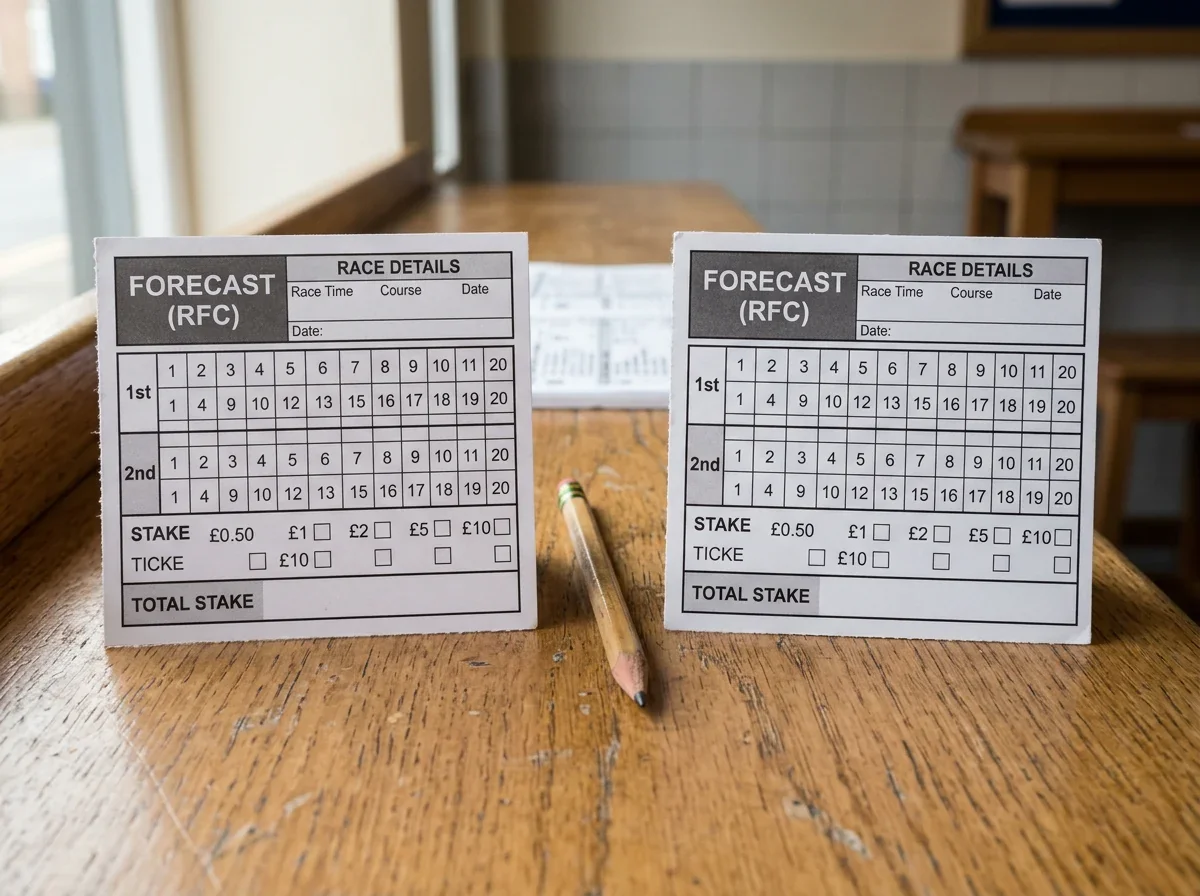
The first time I tried to explain a combination forecast to an American friend at York, he stopped me halfway through and said: “Oh, you mean a box exacta.” Same bet, different country, completely different word. After twelve years of perming horses on flat and jumps, I have learned that this little terminological gap is where most newcomers to UK exotic betting trip over their own feet.
A box bet, in plain UK terms, is a wager that covers every possible finishing order between your chosen horses across a forecast, tricast or trifecta. You do not have to predict who wins, who places second and who fills third in that exact sequence. You just have to identify the right horses and let the slip do the rest. The trade-off, of course, is cost: every additional permutation costs another unit stake. That trade-off is the whole story of this guide.
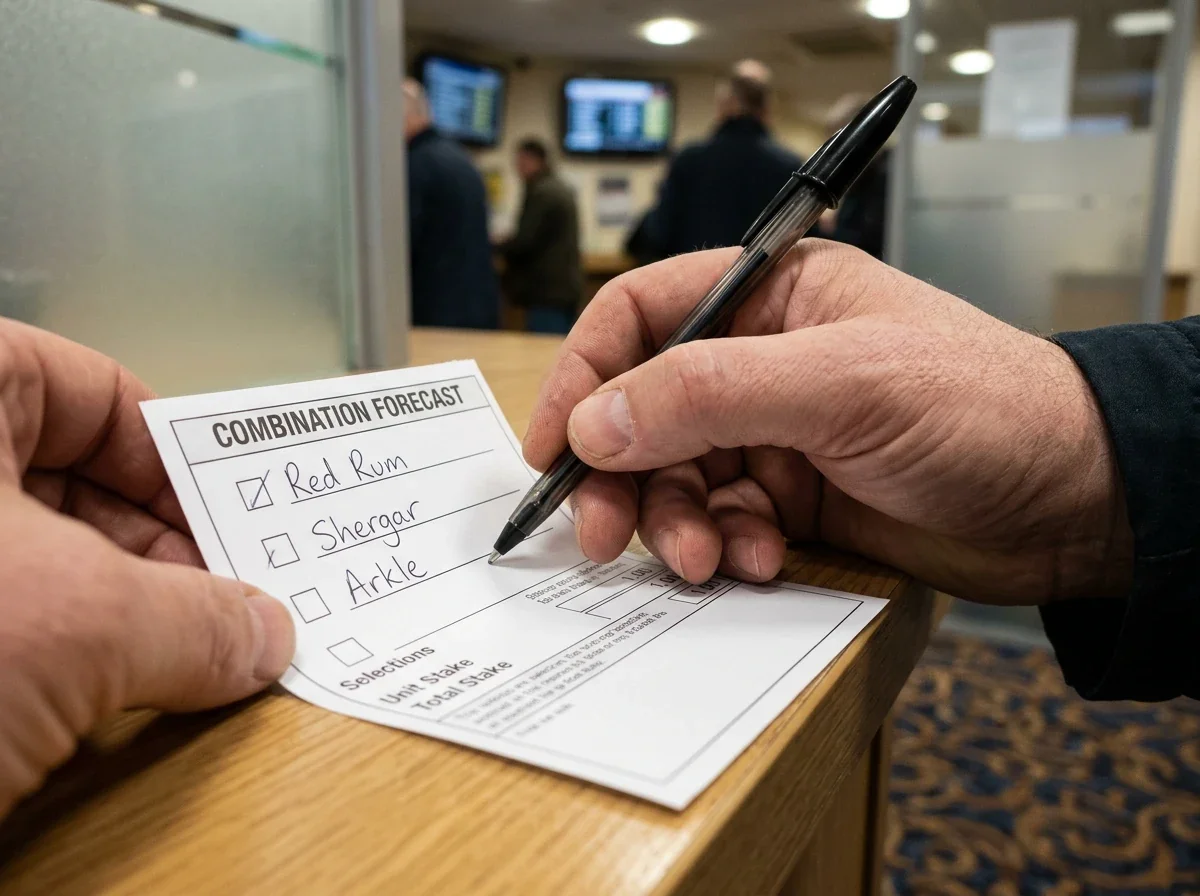
The UK label — what most international punters call a “box” appears on UK slips as a combination forecast (forecast permed across two or more horses) or a combination tricast (tricast permed across three or more). Same maths. Different vocabulary.
I am writing this in 2026, at the end of a particularly noisy regulatory cycle. The £150 financial vulnerability threshold has been live for over a year. The Horserace Betting Levy yield has hit its highest figure since the 2017 reforms. Cheltenham 2026 is being billed as a £450 million wagering week. Every one of those numbers changes how a sensible box-bettor structures a stake, picks a race code, and chooses between a Computer Straight Forecast and a Tote pool. By the end of this guide you should know exactly when to box, exactly when to walk away, and exactly what the maths costs you each time you add another horse to the perm.
UK Box Betting Mechanics and Exotic Payouts
- A box bet covers every finishing order between your selected horses — in UK terms it is a combination forecast or combination tricast, not an exacta or trifecta box.
- Cost scales fast: n x (n – 1) lines for forecasts and n x (n – 1) x (n – 2) for tricasts. A £1 tricast on five horses is £60.
- The Tote+ Exacta beats the CSF on 77% of races with an average 21% value uplift; the same edge runs +50% on the Tote+ Trifecta versus the CST.
- The bet earns its keep in handicaps with twelve-plus declared runners, on festival cards where pool liquidity widens dividends most.
- 2025-26 regulation matters: the £150 affordability threshold and a potential 21% harmonised duty are both reshaping stake sizing and channel choice.
UK Terminology Decoded
Walk into any betting shop from Aintree to Plumpton and you will hear three words the rest of the betting world rarely uses: forecast, tricast, and combination. They are not interchangeable with the American “exacta”, “trifecta” and “box”, even though the maths behind them is identical. The British turf has its own vocabulary, and that vocabulary actively shapes how dividends are quoted, how slips are settled and how you ask for what you want.
Dave Nevison, the former Channel 4 Racing presenter, once put it cleanly when I asked him about the appeal of permed bets: “The beauty of the box bet is its mathematical simplicity. You don’t need to predict exact order — you just need to identify contenders. In a competitive handicap, that’s a much more achievable task.” That framing is exactly the framing the UK product range is built around.
The Three Forecast Bets
A straight forecast is a single-line bet predicting the first two horses past the post in the exact order. It settles to the Computer Straight Forecast price, declared after the race. A reverse forecast is two lines — your two horses to finish first and second in either order. A combination forecast is the same logic extended to three, four, five or more horses, where every possible 1-2 pairing inside your shortlist is covered.
The combination version is the one the rest of the world calls a “box exacta”. I cover the reverse-versus-combination distinction in depth in the combination forecast vs reverse forecast guide, because the moment you have three horses on the shortlist instead of two, the cost curve turns sharp.
The Tricast Family
Step up to three horses across the line and you are in tricast territory. The straight tricast picks the first three in exact order. A combination tricast covers every possible 1-2-3 sequence between your selected horses. Tricasts in the UK are settled to the Computer Straight Tricast price and, crucially, are only offered in handicap races with eight or more declared runners. That eight-runner floor is not industry myth — it is the standing rule across every licensed UK fixed-odds operator.
UK term
Combination forecast
Reverse forecast
Combination tricast
Tote Exacta
Tote Trifecta
Perm / permed selections
US or international equivalent
Box exacta
Two-horse box exacta
Box trifecta
Pari-mutuel exacta
Pari-mutuel trifecta
Boxed selections
The Tote Equivalents
Parallel to the fixed-odds CSF and CST, there is the Tote pool family: Tote Exacta for the first two, Tote Trifecta for the first three, Tote Swinger for any two of the first three. The Tote does not use the words “forecast” or “tricast” because its bets are pool products rather than fixed-odds bets. Fixed-odds settlements come from an algorithm fed by starting prices. Pool settlements come from the actual money put through the pool, minus a takeout. We will get to why that can produce wildly different dividends on the same race.
CSF — Computer Straight Forecast. The algorithm that derives a fixed dividend for the first two finishers, based on starting prices. Used by every UK bookmaker for straight and combination forecasts.
CST — Computer Straight Tricast. The same logic extended to the first three finishers. Available only in handicaps with eight-plus declared runners.
Perm — Short for permutation. To “perm three horses” is to cover every line your selections produce. “Permed selections” is the slip-level term for the resulting bet.
In British English the forecast does not “box” anyone — it permutes them. The verb you will hear in the ring is “perm”. That is the vocabulary I will use for the rest of this guide.
The Mathematics of Permutations
Years ago a friend phoned me from a William Hill in Chester, halfway through writing his slip. He had picked six horses for a combination tricast and wanted to know what it would cost. I said: “Hundred and twenty quid for the unit.” He laughed. Then he wrote the slip anyway. The race went to four longshots and our shortlist did not include any of them.
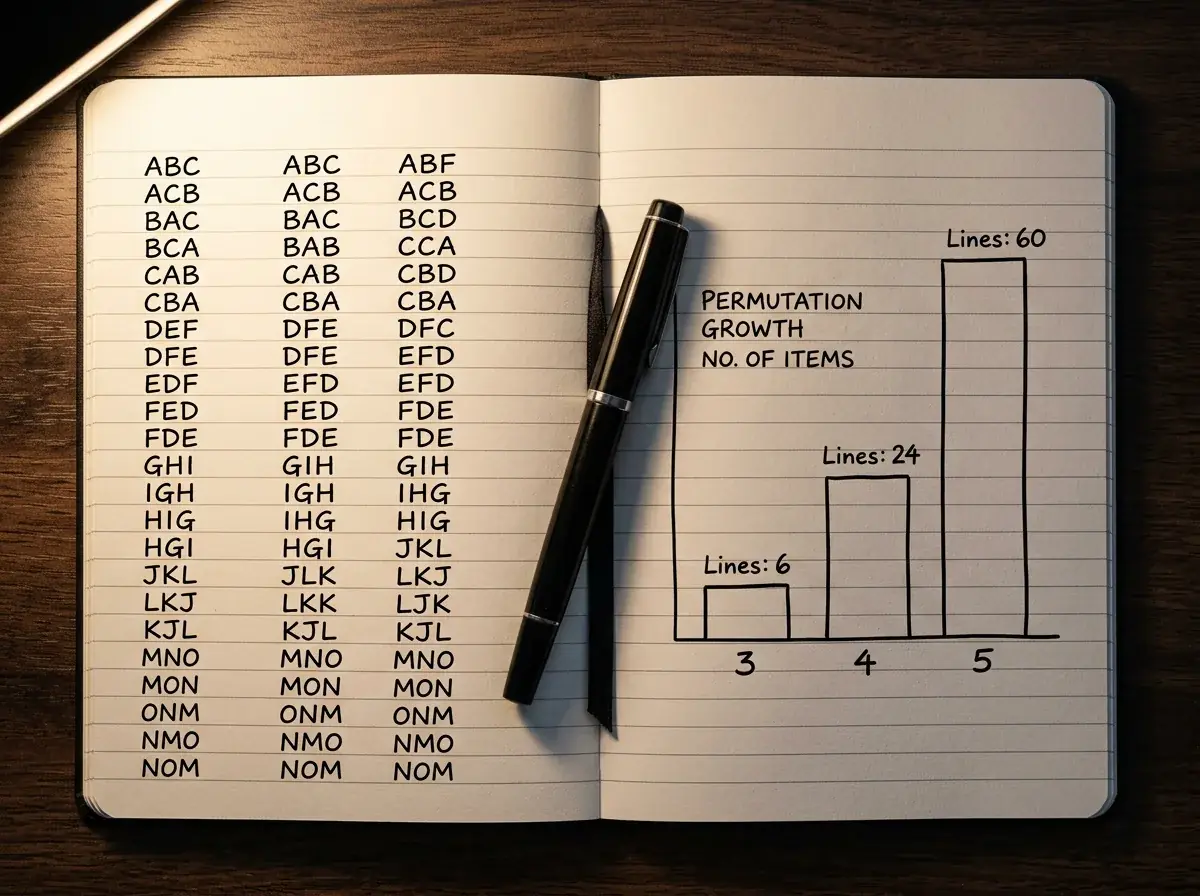
The formula behind that £120 number is the single most important thing a new box-bettor can memorise. It is genuinely simple, and yet it ambushes more punters than any other piece of arithmetic on a slip.
The two formulas you need
Combination forecast: n x (n – 1) lines, where n is the number of horses you have permed.
Combination tricast: n x (n – 1) x (n – 2) lines, where n is the number of horses you have permed.
Multiply the resulting line count by your unit stake to get the total outlay.
Why £1 on Five Horses Costs £60
A £1 combination tricast on five horses runs at 5 x 4 x 3 = 60 lines. At £1 per line, that is £60. A £1 combination forecast on the same five horses costs 5 x 4 = 20 lines, so £20. The difference between £20 and £60 is the difference between two finishing positions and three. Adding the third position multiplies your bill by however many horses you have left to cover the third slot.
Combination forecast costs at £1 unit stake
2 horses: 2 x 1 = 2 lines = £2
3 horses: 3 x 2 = 6 lines = £6
4 horses: 4 x 3 = 12 lines = £12
5 horses: 5 x 4 = 20 lines = £20
6 horses: 6 x 5 = 30 lines = £30
7 horses: 7 x 6 = 42 lines = £42
8 horses: 8 x 7 = 56 lines = £56
Combination tricast costs at £1 unit stake
3 horses: 3 x 2 x 1 = 6 lines = £6
4 horses: 4 x 3 x 2 = 24 lines = £24
5 horses: 5 x 4 x 3 = 60 lines = £60
6 horses: 6 x 5 x 4 = 120 lines = £120
7 horses: 7 x 6 x 5 = 210 lines = £210
8 horses: 8 x 7 x 6 = 336 lines = £336
The Saving Grace of the 10p Line
This is where the UK product genuinely helps the casual punter. Most licensed bookmakers will let you stake as little as 10p per line online, which means even a four-horse combination tricast costs £2.40 in total. That single unit-stake flexibility is the reason combination bets stay accessible for a £20 weekly hobby budget rather than the preserve of high rollers.
This is also where punters fool themselves. A 10p unit looks harmless on the slip until you perm six horses on a tricast and notice the line stake reads “10p”, but the total outlay reads “£12.00”. The line stake is per permutation, not per slip. Misreading that distinction has cost more first-time tricast bettors more money than I care to count.
If you want a full cost table with every common combination plus a breakdown of how Rule 4 reductions feed back into the stake, the box bet cost calculator and stake tables covers every permutation up to eight horses with worked examples.
The line-stake number is what you pay per finishing combination, not what you pay for the whole slip. Always read the “Total outlay” figure before confirming the bet.
Forecast, Tricast, Trifecta, Superfecta: What Each One Covers
Here is a question I get more than any other from people new to UK exotic betting: “Is a tricast the same as a trifecta?” The answer is no — and the difference is not pedantry. It is a difference between two products with different settlement engines, different qualifying-race rules, and dividends that can vary by a multiple on the same finishing order.
Most UK punters use four exotic categories: the forecast, the tricast, the trifecta and, much more rarely, the superfecta. Three of those four are available across every fixed-odds operator. The fourth lives almost exclusively in the Tote pool.
Forecast
Predict the first two horses past the post. Settles to the Computer Straight Forecast price for fixed-odds bookmakers, or to the Tote Exacta pool. Available on every race, including non-handicaps and small fields.
Tricast
Predict the first three across the line in exact order. Settles to the Computer Straight Tricast price. Available only in handicaps with eight or more declared runners — a hard rule, no exceptions.
Trifecta
The Tote equivalent of the tricast: first three in correct order, settled by a pari-mutuel pool. Offered on a wider race menu than the tricast, including some Listed and Group races at certain festivals.
Superfecta
Predict the first four past the post in exact order. Pool-only product, often called “First Four” or “Quartet” depending on the operator. Limited availability — typically large-field handicaps on Saturday cards.
What the Eight-Runner Rule Actually Means
The Computer Straight Tricast requires eight or more declared runners in a UK handicap. That single rule decides whether the bet is available at all. If you walk into a shop and try to write a £1 combination tricast on a six-runner Group 2 at Newmarket, the slip will not settle — there is no CST price published for that race. Your only route into a three-horse box on that card is the Tote Trifecta, which uses a looser eligibility rule and is offered on most non-handicap races above a minimum field size.
A combination tricast is structurally a series of straight tricasts run in parallel. If your three selected horses finish 1-2-3 in any order, exactly one of the six lines in a three-horse perm settles as a winning straight tricast. The CST price for that single line is what you collect, multiplied by your unit stake. The other five lines lose. That is why dividends are quoted per £1 unit and why the cost grows so quickly when you add horses.
The Superfecta as a Specialist Product
Superfectas are the only one of these four that has no widely available fixed-odds equivalent in the UK. There is no Computer Straight Superfecta. The bet exists almost exclusively as a Tote pool product, and most operators only offer it on a handful of races a week. The cost curve is brutal: a five-horse superfecta box runs at 5 x 4 x 3 x 2 = 120 lines, which puts a £1 unit at £120 before you have even thought about adding the sixth horse. It is a specialist tool, not a weekly habit.
CSF, Tote Exacta and Tote Trifecta: How the Same Result Pays Three Different Dividends
The Coventry Stakes at Royal Ascot 2024 produced one of the most instructive results of my professional career, and I was not even on the right horses. Three longshots came through: 80/1, 40/1 and 50/1, in that order. The Tote Trifecta paid £122,667.10 on a £1 unit — the largest UK trifecta dividend on record. The Computer Straight Tricast on the same line paid £83,273.26. Same horses, same finishing order, two completely different products. The Tote paid 47% more than the fixed-odds tricast.
CSF vs Tote Dividend Calculator
The fixed-odds CSF and the Tote pool settle the same finish completely differently – and which one pays more depends on whether favourites or longshots fill the frame. Enter the CSF dividend and the result shape to see the likely Tote payout and which product to back.
How this works: the fixed-odds forecast (CSF) and tricast (CST) are set by an algorithm fed by the starting prices – the bookmaker carries the risk, so the number is known and repeatable. The Tote Exacta and Trifecta are pari-mutuel: every stake on every combination goes into one pool, the Tote takes its cut, and whatever’s left divides among the winning tickets – so the fewer people on the winning line, the bigger the dividend. That’s why the same finish pays two different numbers. The estimate here applies this site’s settlement data to your CSF figure: across comparable races the Tote+ Exacta beats the CSF on 77% of them by an average of +21%, and the Tote+ Trifecta beats the CST by an average of +50% – but the edge swings hard on result shape. A longshots-in-the-frame result means almost no pool money on that line, so the Tote dividend balloons (the record Coventry Stakes trifecta paid +47% over the CST). A favourites-led result concentrates pool money on the obvious line, so it divides across many winners and the fixed-odds product usually wins – the roughly one-race-in-five reversal. The Tote figure is an estimate, not a guarantee: the real pool dividend is only known after the race settles, and can land well outside this range on an unusual pool. Use it to decide which product to write on the slip, not as a promised payout. Tote+ pays the higher of the two dividends for a slightly different takeout, which sidesteps the choice entirely. Not financial advice. 18+ – GamStop and BeGambleAware are protection routes; National Gambling Helpline 0808 8020 133.
That single race is the entire argument for understanding how fixed-odds and pool products settle. The maths is not interchangeable. The product you pick at the slip stage decides what you collect when your horses come home.
The Computer Straight Forecast
The CSF is an algorithm. It takes the starting prices of every horse in the race, plus weighting factors for field size and price distribution, and derives a single dividend for the winning forecast line. The crucial thing to understand: the CSF does not care how much money was bet on the forecast pool, because there is no forecast pool. The CSF is a fixed-odds product backed by the bookmaker, who takes the risk and the margin. The algorithm produces a number that approximates the implied probability of that 1-2 sequence — repeatable and transparent, but not always intuitive when the market gets distorted by late money or extreme price gaps.
The Tote Exacta
The Tote Exacta is a pari-mutuel pool. Every pound bet on every possible 1-2 combination goes into a single pool, the Tote takes its statutory cut, and whatever is left is divided among the winning tickets according to how much was staked on the actual winning line. If everyone backed the favourite-second-favourite combination and that combination wins, the dividend is small. If almost nobody backed the longshot-longshot combination and that combination wins, the dividend is enormous.
This is precisely what produced the Coventry Stakes result. Three triple-figure-odds horses meant the Tote Trifecta pool had virtually no money on that specific 1-2-3 sequence. Whatever was in the pool divided across very few winning units, and the dividend exploded.
Royal Ascot 2024, Coventry Stakes, the 80/40/50 finish
Tote Trifecta dividend: £122,667.10 per £1
CSF Computer Straight Tricast: £83,273.26 per £1
Difference: £39,393.84, or +47% in favour of the Tote
Which One Usually Pays More
According to data compiled by Betting Emporium on Tote+ versus CSF settlement, the Tote+ Exacta beats the CSF on 77% of comparable races, delivering an average +21% value per bet. Tote+ Trifecta beats the CST on the same 77% of races, with an average +50% value uplift. Those numbers reflect the structural reality that pool products tend to pay more when liquidity is high and the dispersion of stakes is wide.
The other 23% of the time, the CSF or CST wins. This typically happens when the favourites finish at the top of the result. Heavy money goes into the favourite-led lines in the pool, the pool divides across many winning units, and the dividend shrinks. The 2025 Grand National produced exactly this reversal — the CSF Tricast beat the Tote Trifecta on the same 1-2-3 finish, a result that happens about one race in five.
The decision principle — if you back longshots, the pool product (Tote Exacta, Tote Trifecta) tends to deliver more. If you back the favourites, the fixed-odds product (CSF, CST) is more likely to come out ahead. Tote+ guarantees the higher of the two dividends in exchange for a slightly different takeout structure, which I cover in the CSF vs Tote Exacta comparison.
When Boxing Beats a Straight Bet
I have a personal rule that has saved me more money than any other piece of discipline: if I am not sure who wins the race, I do not box a tricast. I box a forecast. The instinct most punters get wrong is that uncertainty justifies wider coverage. It does the opposite. Uncertainty justifies tighter, smaller bets — not bigger nets.
The right question is not “should I box?” but “which level of permutation matches what I actually know about this race?” There is a hierarchy. If I am confident in one horse, a straight forecast with my second pick is the play. If I am confident in two and unsure of order, a reverse forecast covers both lines for double the stake. If I am confident in three or four horses but cannot pick between them, a combination forecast or tricast earns its keep. The mistake is reaching for the tricast when the forecast was the right tool.
Field Size Comes First
The BHA published Q3 2025 numbers that should be on every box-bettor’s reading list. Premier Flat meetings averaged 11.02 runners per race. Premier Jumps averaged 9.41. Core Flat averaged 8.54. Bigger fields mean more longshots in the result, more pool dispersion, larger Tote dividends, and a wider gap between a straight bet’s chance of cashing and a permed bet’s chance.
I look for races with twelve or more declared runners before I will write a four-horse tricast box. Below that, the favourite is more likely to dominate, the CSF tends to converge to a fair reading, and the pool dividend compresses. Twelve runners is not a magic number — it is the practical floor I have settled on after years of comparing my own boxed slips against straight-bet alternatives.
Favourites and What 33% Really Means
UK favourites win about 30% to 35% of races on average — flat handicaps around 33%, jumps handicaps closer to 27%. That looks like a useful edge until you realise what it actually does to a box-bet sized around the favourite. If you perm the favourite plus three other horses, you are pricing in a one-in-three chance the favourite is somewhere in your 1-2-3. The problem is the other two slots: in a competitive twelve-runner handicap, your three other choices need to cover at least two of eleven non-favourite slots. The expected hit rate of any specific three-horse box around a favourite is not 33% — it is far lower.
Race-selection checklist before writing a box
- Is this a handicap? Boxes work harder in handicaps than in maidens or condition races.
- Are there twelve or more declared runners? Smaller fields tilt to the favourite.
- Is the favourite shorter than 5/2? Very short prices crush pool dispersion.
- Are at least three of my shortlisted horses priced between 4/1 and 14/1? That is the value zone.
- Is my total outlay still under 5% of my weekly bankroll? If not, drop a horse.
The 10-Pound Edge Signal
Race Advisor analysed more than 400,000 UK runners and found a clear pattern: horses whose true running form suggests they should be carrying ten pounds or more above their currently assigned mark stand out consistently. That is a serious edge. The flip side is the penalty effect — horses carrying a five-to-seven-pound penalty for a recent win, before the handicapper has reassessed them, win at a 23.47% strike rate but return a negative 15% on investment.
For a box-bettor those two findings produce a specific filter: include horses with strong “true form versus mark” signals, exclude horses with recent penalties unless they are priced as if they had no penalty. I cover the official rating dimension in the race selection guide, because race choice is the single biggest determinant of whether a box bet earns its keep over a season.
Do
- Perm three to four horses in twelve-plus runner handicaps
- Reach for a reverse forecast when you have two real contenders
- Save bigger perms for festival cards with deeper pools
- Compare expected CSF and Tote Trifecta before writing the slip
Do not
- Box a six-runner non-handicap with anything beyond a reverse forecast
- Include a horse purely because it is the next-shortest price
- Stretch a six-horse tricast on a 10p line “for fun” — you are paying £36
- Box around a penalty-carrying favourite assuming it gets the win
The UK Festival Arithmetic: Cheltenham, Royal Ascot, Grand National
Lee Phelps at William Hill summed up this week of the year better than I ever could in his Cheltenham 2026 preview: “The battle between us and the punters over the four days of the Cheltenham Festival is unrivalled in Jumps racing. We’re expecting around £450 million to be wagered over the four days.” The pool gets enormous. The dividends get unpredictable. The opportunities expand, and so do the traps.

Optimove’s 2025 Cheltenham analysis recorded 68.8 million individual bets across the four days. First-time deposits ran +310% to +417% above the pre-festival baseline, and on Gold Cup Day average stake per user climbed 109% to 133% above the typical weekly figure.
What All That Money Does to Pool Dividends
The bigger the pool, the more the dividend depends on how stakes are dispersed across possible outcomes. A 68.8 million-bet festival generates pools many times larger than a typical Wednesday card. That extra liquidity is good news for permed bets in two ways: pool dividends on outsider lines get fatter, and the gap between CSF and Tote dividend widens.
It also produces traps. First-time depositors and lapsed-account reactivations weight stakes toward the obvious horses — favourites, big names, household trainers. That concentration of casual money on short prices means the pool divides across many winning units when favourites cash. The pool dividend on a short-favourite-led 1-2-3 can be lower than you would expect, sometimes lower than the CST on the same line.
Cheltenham, Aintree and the £450m Week
All 28 races of Cheltenham Festival 2025 landed inside the top 31 most-bet-on races for the entire year. On Saturday 15 November 2025 the Cheltenham Placepot pool reached £436,058 with a £225.90 dividend per £1. New Year’s Day 2025 saw a Tote Trifecta on the Junior NH Flat Race reach £10,707.50.
The Grand National produces a different kind of liquidity. The race draws around twelve million UK residents placing a bet, with about 82% of stakes at £5 or less and roughly 30% of bettors first-timers or once-a-year returners. For a serious box-bettor, the National is more about navigating a pool full of casual money than about handicapping.
FACT
Optimove’s data showed first-time deposits at major UK operators climbed between 310% and 417% during Cheltenham 2025 compared with the pre-festival baseline week. That is not a tide of professional money. That is a once-a-year audience reactivating their accounts.
The Bookmaker Voice
Brian O’Keeffe at BoyleSports gave a candid post-mortem on Cheltenham 2025: “It was a really strong-performing Cheltenham and, despite punters inflicting some blows on the bookies, the majority of results went the way of the layers. Majborough getting turned over in the Champion Chase was a huge result for us.” Those statements matter because they tell you which races the layers fear most — the contested handicaps where the pool of plausible winners is wide. That is the box-bettor’s territory.
Regulation in 2025 and 2026: Affordability, Levy, Duty
A friend of mine — a serious punter with twenty years on the rails — got an affordability email from his usual operator in March 2025. He had deposited £180 across three transactions in February. The email asked for three months of bank statements. He closed the account and moved his bets elsewhere. He is not a problem gambler. He is exactly the kind of customer the licensed UK market wants to keep.
The regulatory backdrop to UK exotic betting is reshaping how punters stake and whether they stay in the licensed market at all. For a box-bettor it matters specifically, because the cost structure of permed bets is exactly the kind of pattern that triggers light-touch reviews more often than people expect.
The Affordability Threshold
Light-touch financial vulnerability checks were introduced in August 2024 at a £500 monthly deposit trigger. That threshold was lowered to £150 in February 2025. A combination tricast on six horses at a 50p line stake is £60 of outlay in a single race. Two of those plus a couple of straight bets across the week, and you are inside the threshold. For most casual exotic-bettors this is not a hardship — operators apply the check at the deposit level, not the stake level, and an automated review usually clears in minutes. For higher-stake bettors, the picture is very different.
Where the Money Has Migrated
The Racing Post’s Big Punting Survey 2025 surveyed 10,000 respondents and reported a finding the regulated industry has not fully digested: one in three bettors who staked £1,000 or more in a single transaction had used an unlicensed site in the previous twelve months. That is a third of the high-staking population moving outside the regulated market.
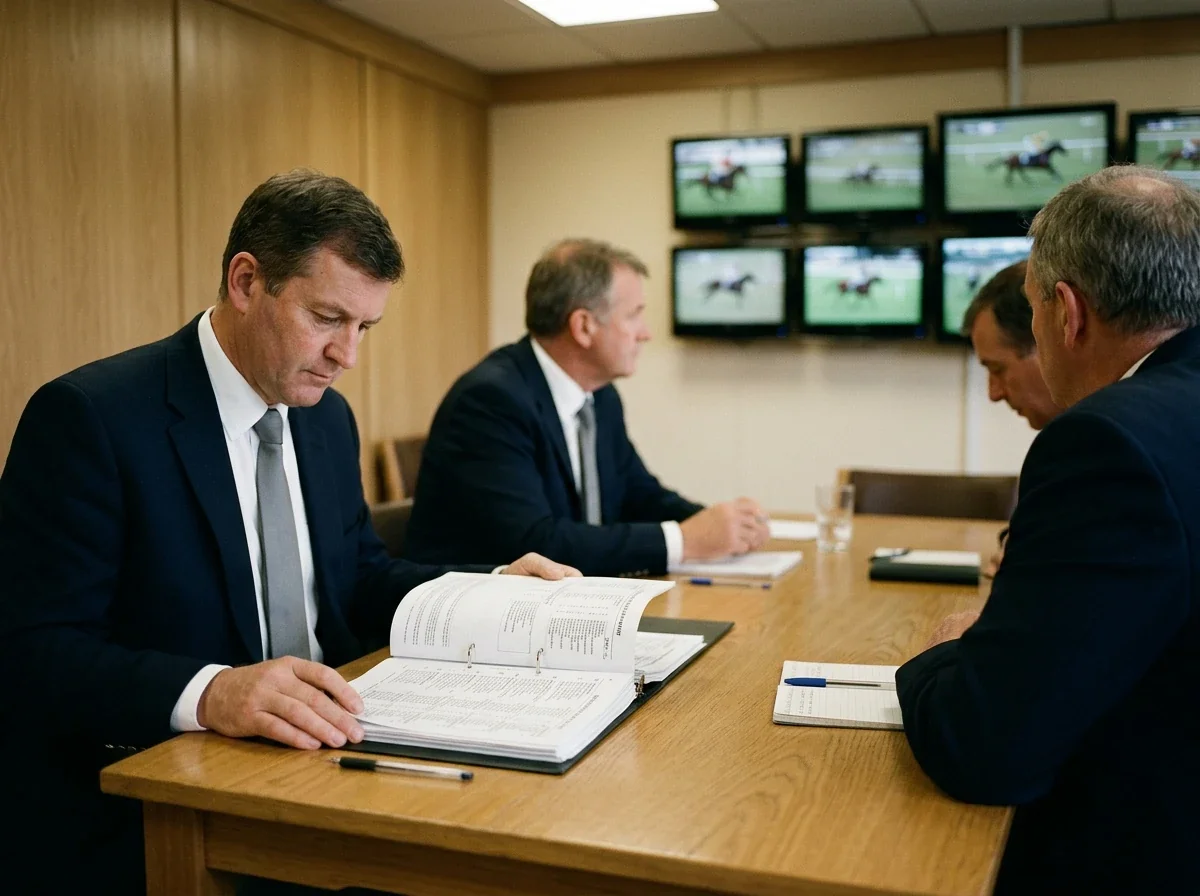
Grainne Hurst at the Betting and Gaming Council put the industry case bluntly: “These parasite operators don’t pay tax, don’t care about safer gambling, or contribute a penny to the levy. The BGC wants sustainable growth, for our members and for racing.” The friction this creates for serious exotic-bettors is real.
The Levy and What It Pays For
The Horserace Betting Levy Board collected £108.9 million in yield for the financial year ending March 2025 — the highest figure since the 2017 collection reforms and the fourth consecutive year of growth. Alan Delmonte, the HBLB Chief Executive, confirmed the figure directly: “Levy yield for the 12 months to 31 March 2025 reached almost £109m, the fourth successive year of increase and the highest since the Levy collection reforms of 2017.” The Board has budgeted £103 million as expected yield for 2025-26 and committed an additional £4.4 million to prize money for 2026.
The structural tension of the current market is visible in that single number. The Levy yield is up because bookmaker margins are up. Margins are up partly because turnover is down. Turnover is down partly because of affordability friction.
The 21% Duty Proposal
The biggest open question for 2026 is whether the Treasury will harmonise online betting duty at 21% — bringing sports betting in line with the remote gaming rate currently applied to online casino. Independent BHA modelling projects a loss of £66 million in annual racing income and 2,752 jobs in year one if harmonisation goes ahead at that rate. Brant Dunshea at the BHA put the point firmly: “We are the second most-attended sport, we employ people nationwide but also we are already facing other financial threats around the levy and affordability checks. We can’t risk our country falling behind compared to other nations.”
For a box-bettor, the duty question matters in one specific way: if the harmonised rate goes through, the CSF takeout and the Tote pool takeout are both likely to rise. Operators do not absorb a 6%+ duty increase — they pass it through to dividends. The bet is the same. The maths is the same. The product is just less generous.
For the regulatory deep-dive, including the practical implications for stake selection and channel choice, see the UK betting regulation impact analysis.
Where Box Betting Sits in the £766.7m Racing GGY
Every time I write about exotic betting I get asked the same question: how big is the box-bet market, really? The honest answer is that nobody publishes a dedicated number for combination forecasts and tricasts. What we can do is locate the niche inside the wider picture. The picture itself is enormous.
For the financial year April 2024 to March 2025, the Gambling Commission’s industry statistics reported total remote betting gross gambling yield of £2.6 billion, of which £766.7 million was attributable to horse racing alone. That figure represents only online, regulated UK operators. The British horseracing industry generates direct revenue above £1.47 billion and an estimated £4.1 billion total annual economic contribution once indirect effects are counted in. Around 85,000 jobs depend on the sport, with more than 20,000 directly employed at the 59 licensed UK racecourses and training centres.
£766.7m
Remote betting GGY attributable to horse racing, year to March 2025
£4.1bn
Total annual UK racing economic contribution, direct plus indirect
85,000
Jobs supported by the British racing industry across the country
£108.9m
Horserace Betting Levy yield for the year ending March 2025
Active accounts at remote casino, betting and bingo operators stood at 24.4 million at the end of the latest reporting quarter. The participation rate, measured as the share of UK adults who placed a horse-race bet in the previous four weeks, was 7% in Gambling Commission Wave 2 and 4% in Wave 3. Those numbers map the population of potential box-bettors. Most of them never write a combination forecast in their lives. The exotic-betting niche is a sliver of the racing GGY, but it is the sliver where the most dedicated punters live.
Common Mistakes UK Punters Make When Boxing
If I had to point to the single biggest mistake I see at the rails — and I see it every weekend — it is perming the favourite. Not “including the favourite”, which is often correct. Perming the favourite, meaning building the entire box around a short-priced horse on the assumption that it will fill one of the top three places. That assumption is what bookmakers feed on.
Here is what the data says. Horses carrying a five-to-seven-pound penalty for a recent win — exactly the kind of “in form” horse a punter is tempted to box around — win at a 23.47% strike rate. That sounds good. The return on investment is minus 15%. The strike rate is high enough to feel right. The price has compressed so far that you are paying more for that probability than it is worth. Box-bettors are particularly vulnerable because the perm covers multiple finishing positions, and the punter assumes that “even if it does not win, it will probably place.” It often does. The price you have paid in expected return makes the placing irrelevant.
The Other Recurring Errors
Going too wide. A five-horse combination tricast costs £60 per unit. A six-horse perm costs £120. By the time you have permed seven horses, you are at £210 — and the additional horses are almost certainly not contenders, they are filler. If you cannot articulate why each of your selections is in the perm, drop one.
Ignoring the eight-runner rule. The CST is not available on under-eight-runner handicaps. Some punters write a tricast in a six-runner Group 3, find out at the counter that no CST price exists, and either lose the bet to a write-off or get switched to the Tote Trifecta without checking whether the pool was worth backing.
Forgetting Rule 4. If one of your selected horses is withdrawn after declarations, the bookmaker recalculates the dividend with a Rule 4 deduction. The deduction can be substantial. On a permed bet, the deduction applies to every winning line, which can quietly halve a settled dividend.
Confusing line stake with total outlay. The slip shows two numbers: the per-line stake and the total cost. A 10p line on a six-horse combination tricast is 120 lines x 10p = £12. Punters who click confirm without reading both numbers get nasty surprises.
Boxing every weekend. Box bets are not a flat-rate weekly habit. They are a tool you reach for when the race profile justifies the maths. Boxing every Saturday afternoon at minimum stakes will drain the bankroll faster than any other exotic-betting habit I know.
FACT
The 23.47% strike rate for horses carrying a recent-win penalty looks promising, until you see the negative 15% return on investment. The market prices the win into the horse before the handicapper has revised the rating. The placing happens. The value does not.
A Practical Pre-Bet Checklist for Any Combination Forecast or Tricast
The single most useful thing I have ever done for my own box-betting is to write down the workflow. Not on race day, when I am rushed and the next race is twenty minutes away. Beforehand, as a fixed routine. Every time I pick up the slip now, I run the same eight checks. They take about three minutes per race and have stopped more bad bets than any other practice I follow.
One reason this matters more in 2026 than five years ago: races now start much closer to scheduled time. BHA Q1 2025 data showed 87.6% of UK races starting within two minutes of the published off-time, up from 79.2% in 2024 and 72.7% in 2023. That changes the rhythm of pre-bet decision-making. You no longer have a vague ten-minute window — you have an exact two-minute window. The checklist helps you use it.
The eight checks before any combination forecast or tricast
- Is this a handicap with eight or more declared runners? If not, no CST is available — Tote Trifecta only.
- Have I confirmed there are no late withdrawals affecting my shortlist? Rule 4 reductions matter.
- Is my unit stake set correctly? Re-read the line stake and the total outlay before confirming.
- Are my selected horses priced between 4/1 and 14/1 in the win market? Outside that band, reconsider.
- Have I excluded horses carrying a recent-win penalty unless their price compensates?
- Have I compared the likely CSF and Tote Trifecta range for this race? Pool size shapes the dividend.
- Does my total outlay sit inside my pre-set daily limit? If not, drop a horse from the perm.
- Have I noted the off-time and given myself one minute to walk away if late money shifts the picture?
NEXT — the questions punters ask me most
Frequently Asked Questions
Twelve years of explaining permed bets to friends, colleagues and the occasional curious stranger has produced a short list of questions that come up far more than any others.
What is a box bet in UK horse racing and how does it differ from a straight forecast?
A box bet, known in the UK as a combination forecast or combination tricast, covers every possible finishing order between your selected horses across the first two or first three positions. A straight forecast picks one specific 1-2 sequence. A combination forecast on three horses covers all six possible 1-2 combinations between them. You do not need to predict the order — only the horses. The trade-off is cost: the combination version multiplies your unit stake by the number of permutations, where a straight forecast is one line.
How much does a £1 combination tricast on five horses cost?
£60. The formula for a combination tricast is n x (n – 1) x (n – 2), where n is the number of horses you have selected. For five horses, that is 5 x 4 x 3 = 60 lines. At a £1 unit stake, the total outlay is £60. At a 10p unit stake, the same perm costs £6. The line stake is what you pay per permutation, not per slip — always read the total outlay before confirming.
Why does the UK use “combination forecast” instead of “box exacta”?
Different betting cultures, different products. The American market built its exotic-betting vocabulary around pari-mutuel pools — exacta, trifecta, superfecta — and “boxing” came in as the shorthand for perming those bets. The UK market built around fixed-odds bookmakers, where the parallel product is the forecast (first two) and tricast (first three). “Combination” describes the permutation; “box” was never part of the UK fixed-odds vocabulary. The Tote products use their own language: Tote Exacta, Tote Trifecta, Tote Swinger.
Why do the CSF and Tote Exacta sometimes pay very different dividends?
Because they are settled by different engines. The Computer Straight Forecast is an algorithm fed by starting prices. The Tote Exacta is a pari-mutuel pool divided among winning tickets after the operator’s takeout. When longshots dominate the result, the pool typically pays much more, because few punters backed that exact combination. When favourites dominate, the CSF tends to pay more, because the pool divides across many winning tickets. Across a broad sample, Tote+ Exacta beats the CSF on 77% of comparable races, delivering an average 21% value uplift.
When is boxing better value than a straight tricast?
When you are confident in the horses but not the order. A straight tricast pays a multiple of the CSF on a single 1-2-3 line. If you genuinely cannot predict whether horse A or horse B will win, a combination tricast across three horses gives you six lines for six times the unit stake, and any 1-2-3 permutation between your three horses cashes. Below three horses, a reverse forecast on two is usually a better tool than a tricast at all.
Which UK race types are best for combination bets?
Handicaps with twelve or more declared runners, on flat or jumps. The BHA’s Q3 2025 numbers show Premier Flat meetings averaging 11.02 runners per race and Premier Jumps averaging 9.41. Non-handicap races, especially condition races and Group races with under-eight-runner fields, are generally poor candidates: the CST is not available, the Tote pools are smaller, and short-priced favourites dominate. The festival exception is genuine — Cheltenham, Royal Ascot and the Grand National produce contested, high-liquidity races where permed bets find value even outside pure handicaps.
Why the Box Bet Still Earns Its Place on the Slip
The box bet is not a get-rich-quick instrument. After twelve years of writing combination forecasts and tricasts across British flats and jumps, I have come back to the same answer every season: this is a tool for specific situations, used by punters who know exactly what they are paying for. It is not better than a straight forecast. It is not worse. It is a different bet, structurally and strategically. The punters who treat it as a weekly habit lose. The punters who treat it as a precision instrument, reached for in contested handicaps on big-field days when the maths supports the perm, find genuine value.
2026 is a year where that precision matters more than usual. The Levy yield is at its highest since 2017. Field sizes are slowly tightening. Affordability friction is reshaping who stays in the licensed market. The £450 million wagered across four days at Cheltenham is the loudest signal of liquidity left in the sport, and Tote pools in that window are the deepest of the calendar. Use the slip with intent. Pick the race first, the product second, the perm size third. Walk away from the marginal bet. The bet you do not write is often the most profitable one on the card.
Created by the ”box bet in Horse Racing” editorial team.