Combination Forecast vs Reverse Forecast: UK Cost Tables
 Available in US
Table of Contents
- Settlement Differences Between Combination and Reverse Forecasts
- Reverse forecast: two horses, two lines, one of the cleanest bets on the slip
- Combination forecast: where the slip gets interesting
- The cost table you should keep next to the slip
- When the reverse forecast is the smarter play
- When the combination forecast earns its outlay
- How the CSF actually settles a forecast bet
- Closing the loop: which slip belongs in which race
Settlement Differences Between Combination and Reverse Forecasts
In twelve years of working through betting slips with friends, family, and the odd stranger at Cheltenham, I have heard one mix-up more than any other. Someone writes “reverse forecast” on the docket, ticks four horses, and waits for the cashier to look up and explain — politely or not — that those words do not mean what they think they mean. A reverse forecast covers two horses. Two. Once you add a third, you are no longer looking at a reverse — you are looking at a combination forecast, and the cost arithmetic changes shape entirely.
Both bets sit under the same umbrella. Both are perms on a forecast. Both predict that two named horses will finish first and second in either order. But they are not interchangeable, and the betting industry has been quietly compounding the confusion by stocking shops with slips that lump them together under “perm forecast” or simply “FCST”. So the first job of this guide is to put a wall between the two and never let them lean on each other again.
I am going to walk through what each bet is, what each costs at every realistic number of selections, when one beats the other, and how the Computer Straight Forecast — the CSF, the official UK dividend declared on every race — settles each variation. Dave Nevison, the professional punter, once said the box bet’s appeal is its mathematical simplicity: you identify contenders, you don’t need to predict exact order. He was right, but only if you actually understand which “box” you are placing.
Reverse forecast: two horses, two lines, one of the cleanest bets on the slip
The reverse forecast is the older, leaner sibling. You name two horses. The bet wins if those two finish first and second, in either order. That’s it. There are exactly two permutations — horse A first then horse B, or horse B first then horse A — so a £1 reverse forecast costs you £2 total. A £5 reverse forecast costs £10. The arithmetic is so straightforward that I have watched grandparents who claim not to “do” maths place reverse forecasts without a flicker of doubt.
The cost formula here is n × (n − 1), but with n locked at 2 you only ever multiply 2 × 1, which is why the bet has exactly two lines. The minimum unit stake across most UK online bookmakers is 10p per line, meaning the floor on a reverse forecast is 20p — you’ll see this on slips at every shop on the high street, and it is the cheapest two-horse perm available outside specialist promotions.
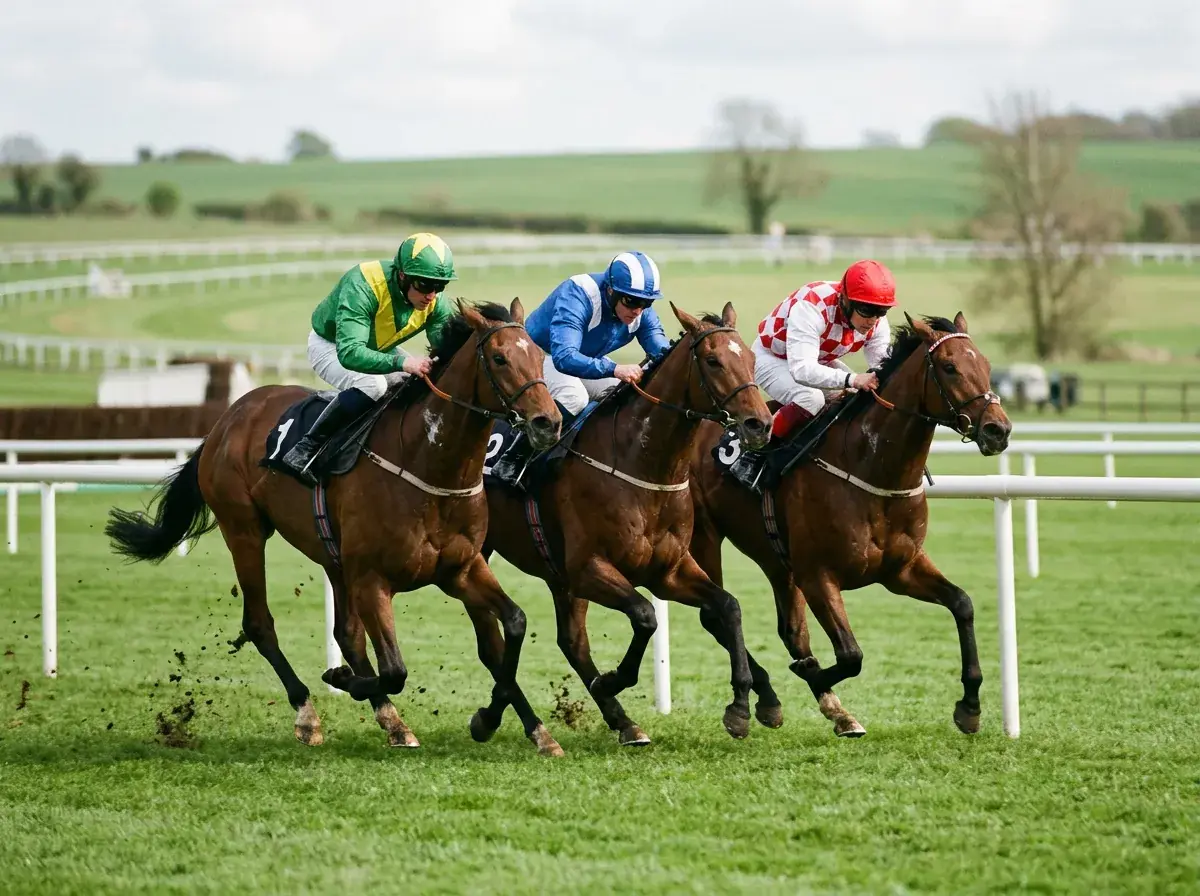
Where the reverse forecast earns its money is in races with two clear contenders. Think of a maiden where the form lines have produced two unexposed horses well clear of the rest on ratings, or a small-field Group race where the market has crystallised around a pair. The bet’s brief is honest: I am confident about who finishes one-two, I have no opinion on the order, and I do not want to pay for selections I don’t believe in.
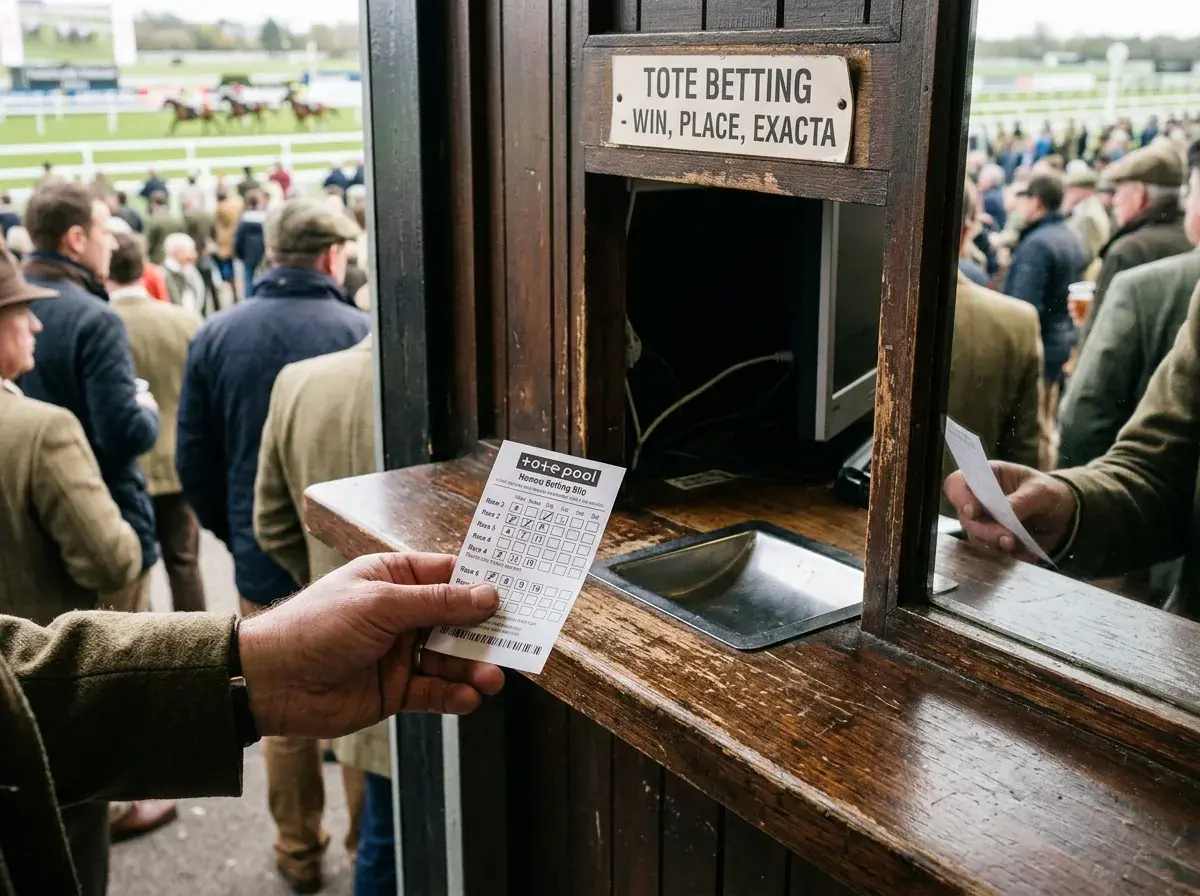
You might also see the same product on a slip labelled “dual forecast” or, in some older shop materials, “double forecast”. They are the same bet. A reverse forecast on the Tote side is called a Tote Dual Forecast, which behaves on pool mechanics rather than CSF settlement — that’s a different conversation about pool dividends, which I’ll cover when we look at how the CSF works further on. For now, treat reverse and dual as synonyms; the staff behind the counter will not distinguish.
One thing to keep in your back pocket. A reverse forecast settles in full only when both of your two named horses finish in the top two. If either runs third, the bet is dead. That sounds obvious until you watch a horse get nosed out of second place at Sandown by a runner you didn’t pick — the reverse is binary in a way that combination bets are not. There is no “near miss” payout on a forecast. You get the right two horses in the top two slots, or you get nothing.
Combination forecast: where the slip gets interesting
Adding a third horse to the slip is where punters start to feel the geometry working against their wallet. The combination forecast covers every possible one-two finish among your selections, in any order. With three horses, that’s six permutations. With four horses, twelve. With five, twenty. The formula is the same n × (n − 1), but n now reflects the number of selections, not the number of finishers you’re trying to predict.
Take three horses — A, B, and C. The six permutations are AB, BA, AC, CA, BC, CB. Each line costs a unit stake; if your unit is £1, the total outlay is £6. Four horses produces twelve permutations and a £12 outlay at £1 unit. Five horses gives you twenty permutations for £20. Six horses, thirty permutations, £30. The growth is steeper than punters anticipate the first time they sit down to do it because every horse you add multiplies against every horse already on the slip.
What makes the combination forecast valuable is not the permutation count by itself. It is what the permutation count lets you do — namely, walk into a race with three or four genuine contenders and not have to pick which two are the most likely top-two pair. You’re effectively saying: “Two of these will fight out the finish, but I am not prepared to bet on which pair.” That stance is worth paying for in handicaps with multiple horses on similar marks. It is not worth paying for in a maiden where the form points cleanly at two unexposed contenders, because then you should just be on a reverse.
The minimum unit stake on a combination forecast is the same 10p you’ll find on a reverse, which means a four-horse combination forecast at 10p line stake totals £1.20. That floor matters when you are pricing in a small bankroll. I have seen punters write down six horses at £1 line stake — £30 total — without realising the slip would have done almost as much work at 50p line stake for £15. The discipline is in knowing what your line stake actually is before you tick the boxes.
One subtlety. A combination forecast is sometimes referred to colloquially as “perming” or “perming horses” — a “perm” being industry shorthand for any combination bet. If a friend tells you they are “perming five for a forecast”, they are placing a five-horse combination forecast, and the cost is £20 at £1 line. That language travels poorly across borders — Americans would call the same thing a “five-horse exacta box” — but inside the UK it is universally understood.
The cost table you should keep next to the slip
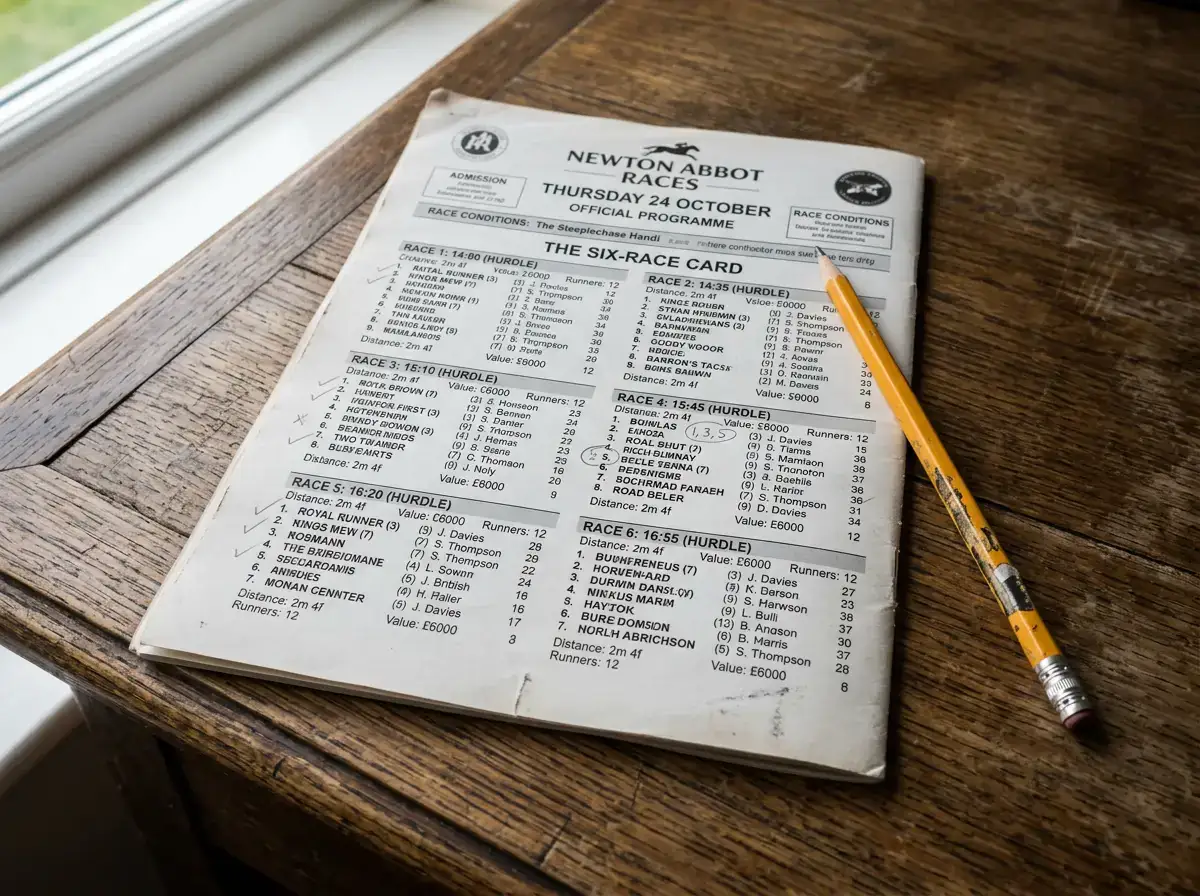
I keep a printed cost grid stuck to the inside of my form folder, and I have not regretted it once. The numbers below are the totals for £1 line stake across the two bets at three, four, and five horses. Look at them properly. The reverse is included as a fixed two-selection benchmark.
At two horses, a £1 reverse forecast costs £2 total — the bedrock figure. At three horses, a £1 combination forecast costs £6, three times the reverse. At four horses, the combination forecast jumps to £12 — six times the reverse outlay for two extra names on the slip. At five horses, you are paying £20, ten times the reverse. At six horses, £30. The relationship is not linear; it is quadratic, and that’s exactly where punters who treat the slip casually lose the thread.
Compare that against the line stake choices most bookmakers display. At 10p line, a four-horse combination forecast costs £1.20 — accessible to anyone with pocket change. At 50p line, the same slip costs £6. At £1 line, £12. The unit stake is the dial you turn to fit the slip into your bankroll, and the difference between £1.20 and £12 on the same selections is a factor of ten, which is why slip discipline matters more than picking the “right” line stake intuitively.
The reason I keep harping on the cost table is that I have watched far too many punters underestimate the outlay of a five-horse combination forecast — they think “five horses, a fiver maybe” — and then find they’ve staked £20 by accident when the printer chunters out the slip. The £1 box tricast equivalent on five horses, by the way, costs £60 because the tricast has a third dimension — and that compounding is exactly the kind of arithmetic that catches punters out when they treat the slip casually.
When the reverse forecast is the smarter play
The honest answer is: more often than punters think. The reverse forecast wins on value precisely when you are confident about your two contenders and have low conviction on the order. That sounds like a small slice of races, but in the UK calendar it crops up weekly — small-field Group races, Listed contests at the spring and autumn carnivals, conditions stakes at minor meetings, and certain maiden hurdles where two unexposed types stand out on ratings.
The mathematics back it up. With two horses you pay £2 to cover both orders at £1 line. The CSF dividend on the same two horses will typically pay out two or three times what the SP-derived straight forecast would, because the CSF is derived from a starting-price formula that rewards combinations where at least one horse was reasonably priced. If your two horses go off at 3/1 and 5/1, the CSF return is healthy, you’ve covered both orders, and you’ve spent £2 to do it. The combination forecast on the same race with extra horses thrown in would have cost you more and diluted that return with permutations involving runners you didn’t really believe in.
The trap I have seen punters fall into is “what if a long shot creeps in?” — and the answer is, that is a tricast question, not a forecast question. A reverse forecast doesn’t care about third place. If you start adding a fourth or fifth horse to a forecast slip because of nagging doubts about the finish, you are paying for a combination forecast when what you actually want is a tricast that includes the long shot in third. Different products, different math. Choosing the wrong one is the most expensive mistake on the slip.
Reverses also play well into the Bet Builder approach that has become standard on most UK exchanges and bookmakers. You can pair a reverse forecast with a horse-to-place single on a third selection, paying for confidence in the win-place pair and separately for confidence in another finisher. That construction holds your stakes accountable to your conviction, which is the whole point.
When the combination forecast earns its outlay
I’ll give you the scenario I look for. A competitive handicap, eight to fourteen runners declared, three or four horses on similar form lines with the market unable to choose between them. The bookmakers’ overround is meaningful, but the dispersion of prices is narrow. You believe two of those three or four horses will finish top two, but you would not bet money on which pair. That is the combination forecast’s home race.
BHA data published in the Q3 2025 Racing Report puts the average field size at Premier Flat meetings at 11.02 runners per race, with Premier Jumps at 9.41 and Core Flat at 8.54. Those Premier Flat fields are the sweet spot — large enough to produce competitive markets, small enough that three or four genuine contenders is a defensible shortlist. In a 14-runner handicap with the favourite at 4/1 and three more horses inside 7/1, perming the four most fancied in a combination forecast at 10p line stake costs £1.20 and gives you twelve crack at the top-two finish.
The other place combination forecasts pay their way is on big-pool races where the CSF dividend can run wild. Festival handicaps, particularly at Cheltenham and Royal Ascot, regularly produce CSF returns in three figures when a moderately priced horse beats a longer-priced horse into second. If your shortlist contains the right pair somewhere in it, a combination forecast at 50p line stake on five horses — £10 total — can return £200+ on a good day. The Tote Exacta on the same finishing order can return more or less depending on the pool size; on Royal Ascot’s Coventry Stakes 2024, for instance, the Tote Trifecta paid 47% more than the CSF Tricast on the same three finishers, an extreme example of the pool’s behaviour around long-priced winners.
What I will not do is pretend the combination forecast is the default exotic. It is not. It earns its place in races where the contender pool is genuinely three or four deep. Forcing it into races where you really only believe in two horses is a tax on your bankroll. Forcing it into races where you believe in six horses means you are buying a perm that includes lines you would never have backed individually. Three or four horses is the sweet spot, and the slip you sign off on should reflect that, not the number of horses you happen to like at the time.
How the CSF actually settles a forecast bet
People assume the dividend number on a CSF result is plucked from some bookmaker’s algorithm and pasted onto the screen. It isn’t. The number you see on a Ladbrokes slip, a Bet365 app, and a William Hill counter is the same number, declared centrally, generated by a single industry formula. Once you grasp that, the rest of how the CSF behaves on a forecast slip becomes much easier to read.
The Computer Straight Forecast is the UK’s officially declared dividend for the first two finishers in any race with three or more runners. It is calculated from a formula that takes the starting prices of all runners and weights them — short prices contribute less to the dividend, longer prices contribute more — and the result is a single number declared per £1 stake on the straight forecast.
A reverse forecast on the same two horses pays the CSF dividend regardless of the order. If horse A wins and horse B is second, you collect the CSF on A-B. If B wins and A is second, you collect the CSF on B-A. Both events return your line stake multiplied by the declared CSF. The two CSF dividends on the same pair will not be identical — A-B and B-A are computed separately, with the winner’s price weighting one way and the runner-up’s price the other — but you cover both with the reverse and collect whichever the result throws up.
A combination forecast on three or more horses pays exactly the same way: the CSF dividend on whichever pair fills the top two slots, in whichever order they finish. The unused permutations — your slip’s other selections that did not feature in the top two — pay nothing and are not refunded. This is where punters sometimes get caught out: they look at the slip, see a £12 outlay across twelve lines, watch one of those twelve lines hit a £40 CSF, and feel cheated that the £12 outlay is being deducted from their mental ledger. It shouldn’t be. You paid £12 to cover twelve outcomes, one of them came in, you collect £40 net of your unit stake. The accounting is honest; it just doesn’t match the optimistic mental model some people walk in with.
For the deeper mechanics — how the CSF formula is constructed, why a 33/1 winner produces a different dividend behaviour than a 7/2 favourite, and where the pool-betting equivalent diverges — the standalone piece on CSF dividend calculation explained step by step is the granular working. For our purposes here, the key is that the CSF settles forecasts cleanly, both reverse and combination, with the same dividend logic applied to whichever pair fills the top two slots.
Worked example: an eight-runner Newbury handicap
Let me ground this with a slip I would actually write. Eight-runner Class 3 handicap on the round mile at Newbury, May meeting. Top of the market is a 4-year-old at 7/2, second favourite at 5/1, third favourite at 6/1, fourth at 8/1, fifth at 10/1, and three other runners 16/1 and bigger. The market shape tells me there are four genuine contenders and a tail.
Two reasonable plays. Play one: £2 reverse forecast on the 5/1 and 8/1 — total outlay £4 across two lines. You’re saying “those two finish top two, in some order, and I don’t care about anyone else.” Play two: £1 combination forecast on the top four in the market — total outlay £12 across twelve lines. You’re saying “two of these four finish top two, in some order.” Both are defensible. Which one wins depends entirely on your read of the race.
Suppose the result comes in as: 8/1 first, 5/1 second, 16/1 third. The reverse forecast hits at full whack — the CSF on 8/1 first, 5/1 second is going to land somewhere around £45 to £55 per £1 stake, so your £2 reverse returns roughly £100 against an outlay of £4. Net profit on the day: around £96.
Now suppose the result comes in as: 6/1 first, 10/1 second, 8/1 third. The reverse forecast misses entirely — neither of your two horses finished top two. The combination forecast hits on the 6/1 to 10/1 line; the CSF here will declare somewhere around £55 to £70 per £1, returning roughly £60 against an outlay of £12. Net profit: around £48.
Across the two outcomes the trade-off is visible. The reverse pays more when it hits because the outlay is small, but it dies in any scenario where the top two are not your specific pair. The combination spreads the outlay across more permutations, hits more often, and returns less per hit. Which trade-off you want is a function of your conviction, your bankroll discipline, and your appetite for variance. I will not tell you which is “right” because there isn’t a right answer — there is only a right slip for the read you actually have on the race.
One last note on this example. The CSF figures I quoted are illustrative, derived from typical SP weightings on handicaps in this band. Real dividends move with the closing market, with the spread of prices across the field, and with whether a non-runner triggers a Rule 4 deduction on the SP. None of those modifiers changes the structural point: reverses concentrate stake on conviction, combinations spread stake across uncertainty, and the slip should be priced against the race, not against a habit.
Closing the loop: which slip belongs in which race
If you take one thing from this piece, take this. A reverse forecast is the bet for two-contender races. A combination forecast is the bet for three-or-four-contender races. Beyond that — five, six, seven horses on a forecast slip — you are usually paying for permutations you don’t actually believe in, and you would be better off with a smaller combination or a different product altogether.
The 9% year-on-year drop in betting turnover on British racing in Q1 2025, with average turnover per fixture down 14.4%, tells you a lot of punters are tightening their slips and being choosier about which races they engage with. That discipline travels well to forecasts. A £6 combination forecast on three well-chosen horses in a Premier Flat handicap is a stronger slip than a £30 combination forecast on six speculative names in a Class 5. The cost grows with selections, the value does not necessarily grow with it, and the gap between the two is the place punters either find an edge or lose one.
Combination and reverse are not rivals on a leaderboard; they are different tools for different races. The slip in your hand should always be the one that fits the race in front of you. Anything else is decoration.
Yes. Dual forecast and reverse forecast are two names for the same bet — two horses to finish first and second in either order, paying the CSF dividend on whichever pair fills the top two slots. Some older shop materials use ‘double forecast’ for the same product, particularly on the Tote side where it appears as Tote Dual Forecast. Treat all three terms as synonyms when you see them on a slip. No. A reverse forecast requires both your named horses to finish in the top two for the bet to land. If one of them is withdrawn before the race under Rule 4, the bet is void and your stake is refunded in full — there is no Rule 4 deduction applied to a void selection because the bet itself ceases to exist on that leg. If the withdrawal happens after the off, the standard SP Rule 4 deduction applies to the remaining selection’s contribution to the CSF, which can pull the dividend down materially on a short-priced non-runner. Because the permutation count for a forecast on four horses is n × (n − 1), which is 4 × 3 = 12 lines. Each line covers one order of finish for one specific pair — AB, BA, AC, CA, AD, DA, BC, CB, BD, DB, CD, DC. At £1 unit stake per line, that’s £12 total outlay. The bet is not the number of horses multiplied by the unit stake; it is the number of permutations multiplied by the unit stake, and the permutation count rises faster than the selection count.Is a dual forecast the same as a reverse forecast?
Can a reverse forecast settle if one of the two horses is withdrawn under Rule 4?
Why does a £1 combination forecast on four horses cost £12, not £8?
Created by the ”box bet in Horse Racing” editorial team.