Tote Plus Guarantee: Securing the Best Pool or CSF Dividend
 Available in US
Resolving the CSF vs Tote Dividend Variance
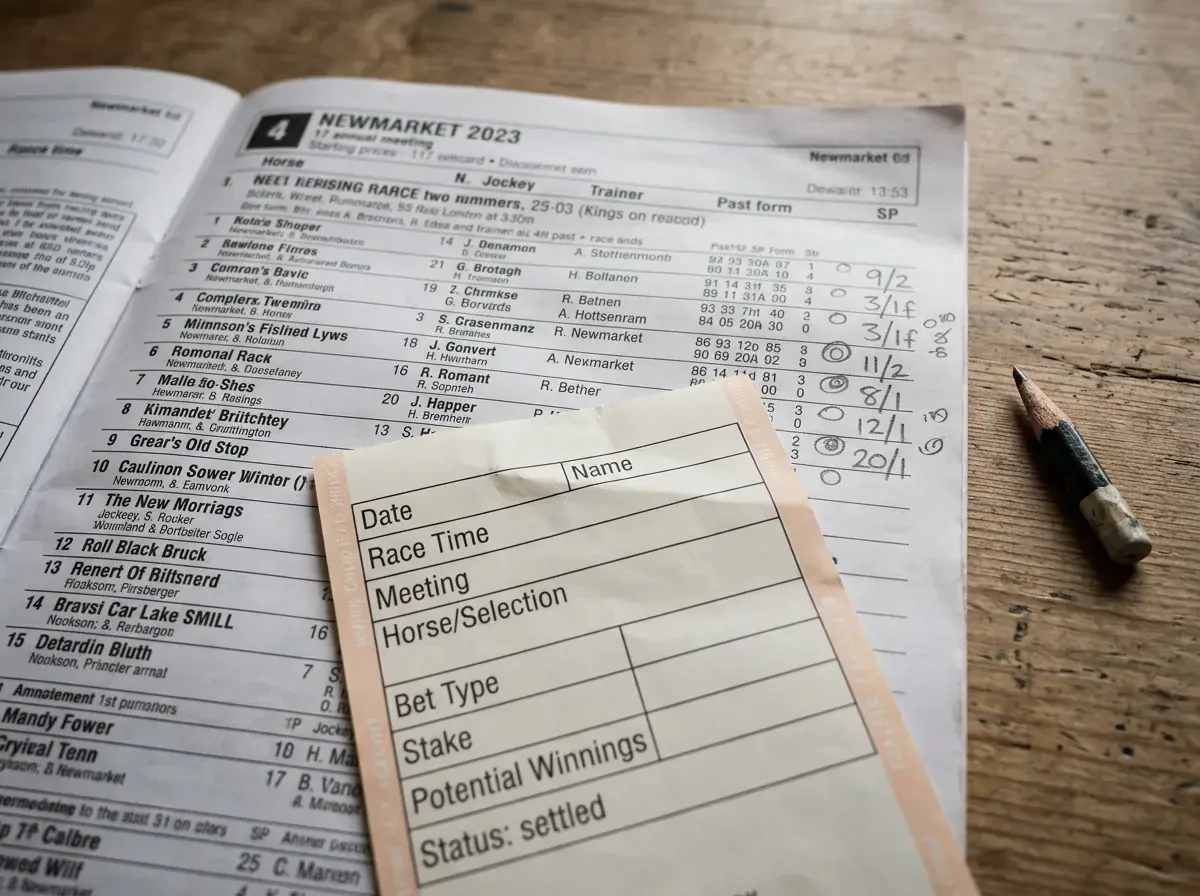
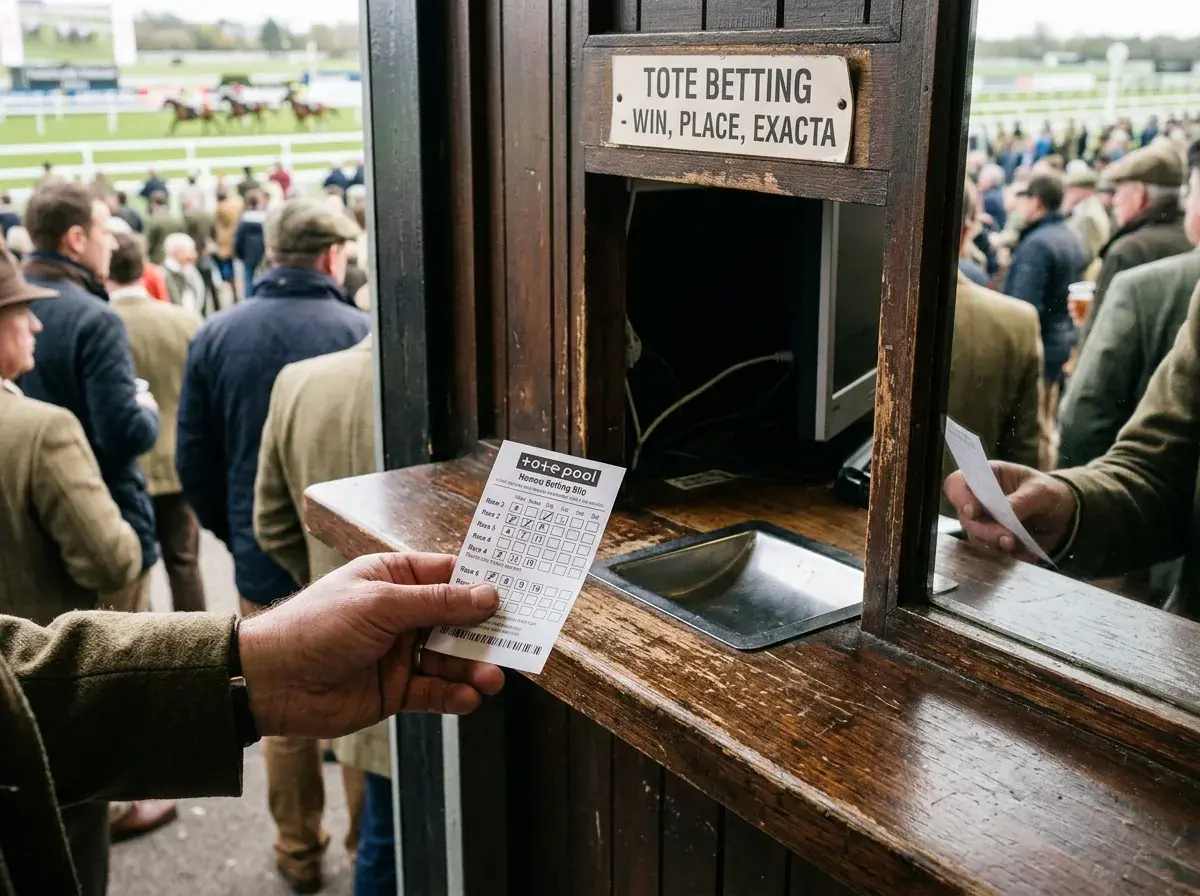
Tote Plus is one of the most underused tools in UK exotic betting. Pop the question to any group of regular punters and a third won’t know it exists, another third will think it’s a marketing label rather than a settlement mechanic, and the final third will use it religiously without quite being able to explain why it works. The “why” is straightforward – Tote Plus pays whichever is higher between the pool dividend and the equivalent CSF or CST on the same finishing order. That single feature changes the structural maths of every forecast and trifecta the product covers.
The Horserace Betting Levy Board’s record £108.9m yield for 2024/25, as Alan Delmonte put it, marks “the fourth successive year of increase and the highest since the Levy collection reforms of 2017.” Pool products like Tote Plus contribute meaningfully to that figure. Understanding how the guarantee mechanics work is the difference between a punter who hands money to the worse-value product unnecessarily and a punter who collects the better number on every winning slip.
How Tote Plus Exacta matches the dividend to the CSF
The mechanic for Tote Plus Exacta is mechanically simple. Every winning unit at the Tote Plus Exacta pool gets the pool dividend or the CSF dividend on the same first-two-home, whichever is higher. The Tote settles the pool dividend as normal, the algorithm settles the CSF as normal, and the operator pays out at the higher of the two figures automatically.
That isn’t a tip – it’s a structural product feature. The punter chooses Tote Plus Exacta at staking time and the comparison happens at settlement. If the pool dividend on a 9/2 and 7/1 forecast comes back at £58 per unit and the CSF on the same pair returns £42, the Tote Plus Exacta pays £58. If the pool dividend on a 4/1 and 8/1 forecast comes back at £35 per unit and the CSF returns £52, the Tote Plus pays £52.
The asymmetry favouring Tote Plus runs across the calendar. The Tote Plus Exacta beats the CSF in 77% of cases, with an average +21% value per bet across the broader UK racing calendar. That’s an enormous structural edge for a product that requires no skill to access – just the discipline of placing the bet at the right type of pool rather than as a straight CSF.
The trifecta version and where the gap gets wider
Step up from Exacta to Trifecta and the structural advantage of Tote Plus grows. The Tote Plus Trifecta beats the CST in 77% of cases with an average +50% value per bet – more than double the uplift on the forecast version. The reason is mechanical: the SP-derived CST formula is less well-calibrated for triple-longshot outcomes than the CSF is for forecast-pair longshots, and the pool’s ability to reflect rare results scales more sharply at three positions than at two.
The Royal Ascot 2024 Coventry Stakes is the extreme case. The 80/1, 40/1, 50/1 combination produced a Tote Trifecta of £122,667.10 against a CST of £83,273.26. A punter on Tote Plus Trifecta would have collected £122,667 automatically without any product-selection skill – the guarantee picked the larger number for them at settlement. The same mechanic works on every contested handicap throughout the year, with smaller but cumulatively significant uplifts.
Where the gap actively narrows is on short-priced trifecta results. A favourite-second-favourite-third favourite finish often produces a CST that beats the pool because the SP-derived formula treats short prices generously. Tote Plus still settles at the higher number – the CST – so the punter doesn’t lose by choosing the Plus product, but the structural premium over the standard Tote Trifecta is smaller on those results.
How often the guarantee fires and what that means for staking
The 77% beat rate works out to roughly three races in four where the Tote Plus product pays the pool dividend (because the pool exceeded the CSF/CST) and roughly one race in four where it pays the CSF/CST dividend (because the algorithm exceeded the pool). The exact split varies by race profile – contested handicaps push the proportion further toward the pool, conditions races with strong favourites push it toward the algorithm.
The +21% and +50% averages are the means across all winning bets. The distribution is skewed – most uplift events are modest, a few are dramatic. The boxing punter’s expectation should be that Tote Plus pays moderately better than CSF/CST on most winning slips and dramatically better on a small number of slips per year, with the small number of dramatic events doing most of the long-run value generation.
The HBLB Annual Report and Accounts 2024-2025 – the same year that produced the £108.9m Levy yield – shows the pool products’ continued importance to overall industry value. Tote Plus sits within that pool ecosystem and channels some of the largest dividends in UK racing through to punters who’d otherwise miss them by defaulting to fixed-odds products.
When a pure Tote bet still makes sense over Tote Plus
The guarantee isn’t free in absolute terms. Tote Plus products run with slightly different pool dynamics than the standard Tote Exacta and Trifecta – the pool sizes are smaller because fewer punters participate, and that thinner pool can occasionally produce a higher per-unit dividend on the rare results where many casual units back the same wrong horses on the standard Tote pool. The standard Tote Trifecta on a Cheltenham Festival contested handicap, with its swollen casual money, can produce dividends that briefly exceed what the smaller Tote Plus pool delivers.
The other context for the standard Tote over Tote Plus is when the punter wants the largest possible single dividend on a rare result. The standard Tote pool, fattened by Festival-day casual money, has produced individual dividends – the Coventry 2024 being the extreme – that the Tote Plus structure mathematically couldn’t deliver because its pool is smaller. The trade-off is between consistency (Plus) and ceiling (standard Tote).
For most boxing punters most of the time, the consistency of Tote Plus is the right choice. The 77% beat rate over CSF/CST is a structural edge that requires no race-by-race judgement. The punter who religiously bets exotic positions through Tote Plus collects roughly 21% more on average on forecasts and 50% more on average on trifectas – over hundreds of bets across a season, that’s a serious uplift in lifetime ROI. The standard Tote becomes the right product only on specific high-liquidity Festival days where the casual money is genuinely inflating the pool beyond what Plus can deliver.
For the everyday CSF-versus-Tote choice that underpins this whole comparison, the structural guide to those two products covers the race-by-race judgement that complements the Tote Plus safety net.
Does Tote Plus charge a higher takeout than the standard Tote?
The takeout structure is broadly similar – the dividend you see is the post-takeout figure either way. The relevant difference is pool size: Tote Plus pools tend to be smaller because participation is lower, but the guarantee picks up CSF/CST whenever the pool itself can’t pay enough, so the punter never loses against the algorithm on the comparison.
Is Tote Plus available on every UK fixture?
Tote Plus availability has expanded materially across UK racing but isn’t universal on every minor evening fixture. The product is most reliably available on major weekend cards, Festival days and Premier-grade meetings where pool participation is high enough to make the guarantee operationally efficient.
Published by the box bet in Horse Racing team.