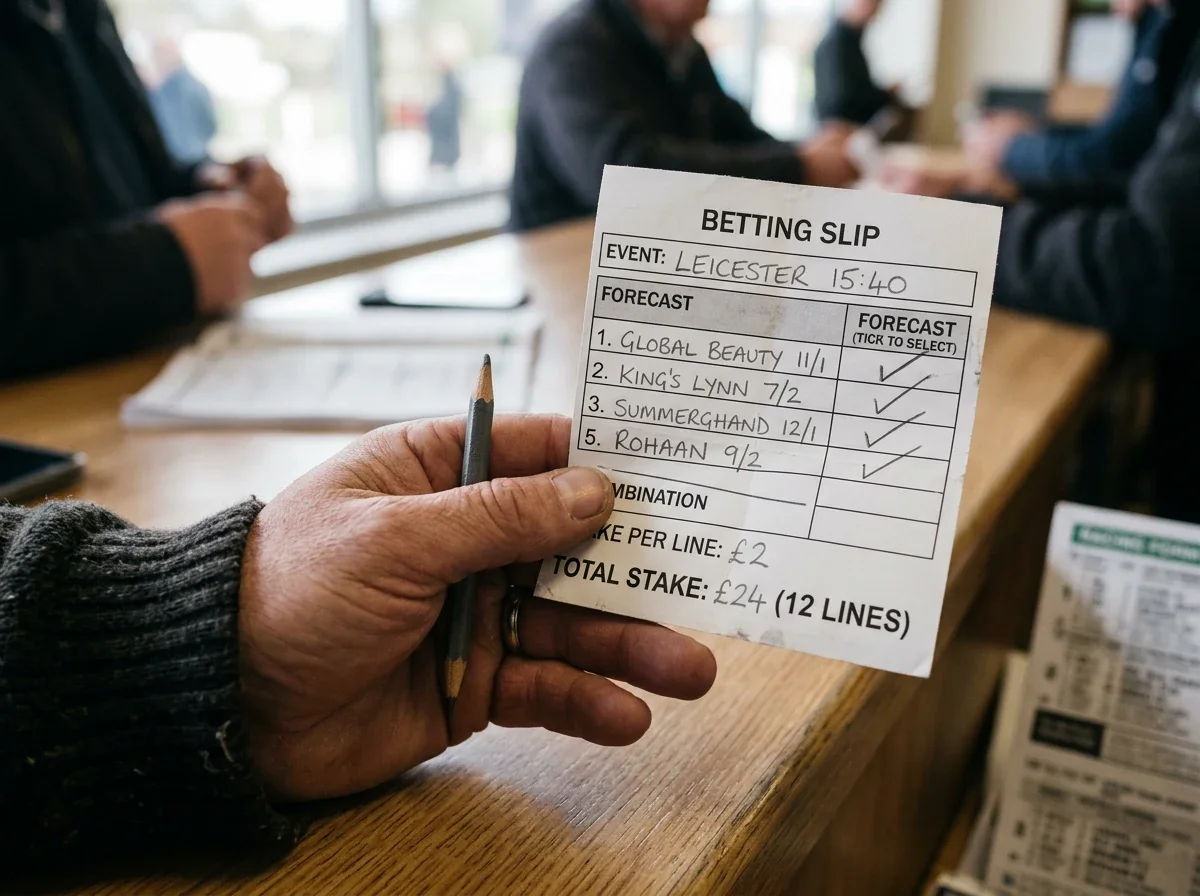
Black-Market Betting UK: The Migration of High-Stake Punters
 Available in US
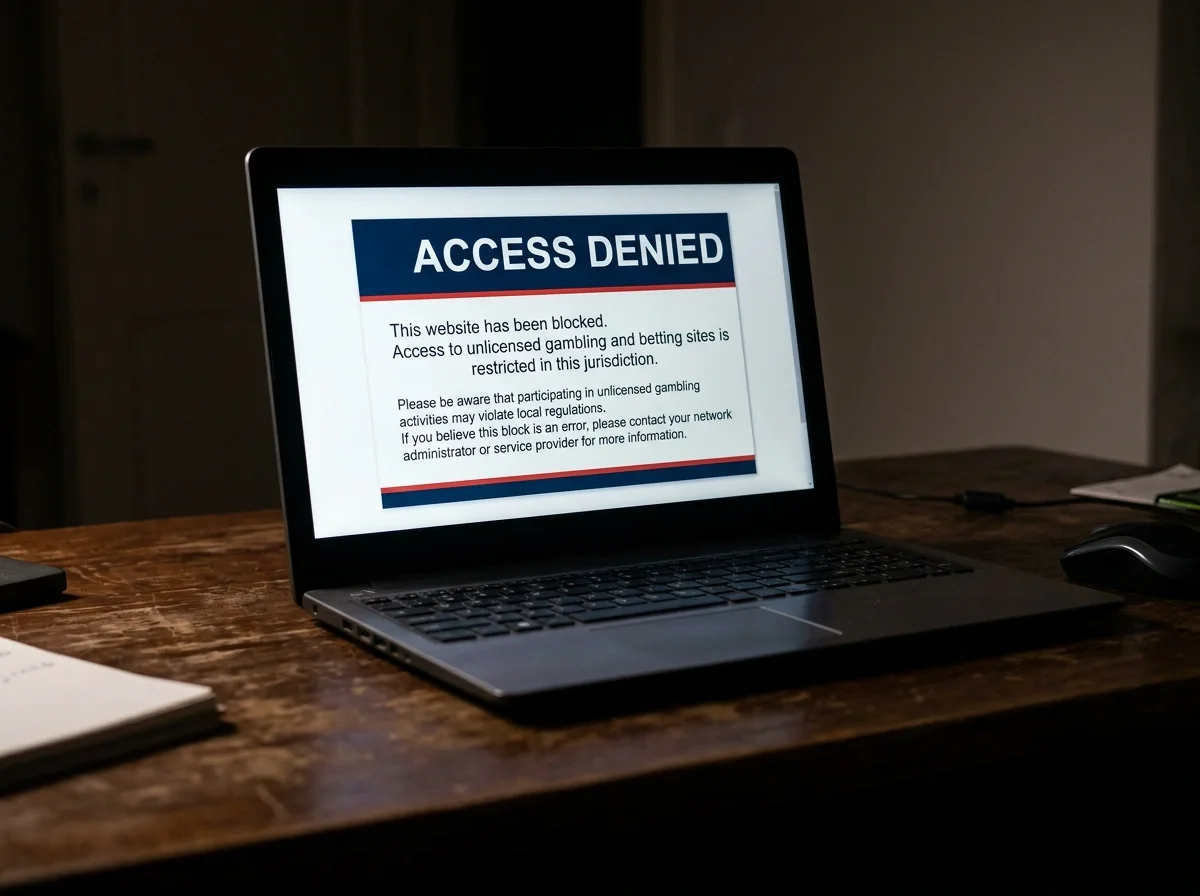
Survey Data and the Scale of Unlicensed Wagering
The Racing Post’s Big Punting Survey 2025, conducted across 10,000 respondents, surfaced a number that the UK racing industry has been quietly metabolising ever since: one in three bettors with single transactions of £1,000 or more reported using unlicensed sites in the previous 12 months. That’s not the entire £1,000+ staker population – it’s the share who admitted, on a survey, to having taken at least some of their action to operators outside the UK regulatory framework. The actual figure is almost certainly higher.
Nevin Truesdale, then Chief Executive of the Jockey Club, framed the underlying tension in starker terms in May 2025: “The Gambling Commission seems to want to reduce gambling to just small-stakes gamblers and that can’t be right.” The big-staker migration off licensed sites is the most visible symptom of a regulatory framework that’s prioritising consumer protection at the cost of professional-grade engagement with the market. Whether the trade-off is the right one is a debate that goes well beyond boxing. The structural reality, though, is shaping the product environment everyone bets into.
The survey numbers and what they actually measure
The Big Punting Survey 2025 polled 10,000 active racing bettors, weighted to be representative of the higher-staking end of the recreational and professional market. The one-in-three figure for unlicensed-site use among £1,000+-per-transaction punters is the headline. The underlying data also showed migration extending beyond the largest stakers – the proportion of respondents using offshore sites at any stake level had climbed substantially compared to surveys before the affordability framework was introduced.
The survey methodology relied on self-reporting, which has known limitations. Punters underreport behaviour they perceive as embarrassing or non-conformist. The actual unlicensed-site usage rate among £1,000+ stakers is almost certainly above one in three – possibly substantially above. Industry sources and bookmaker market intelligence have suggested the real figure could be closer to one in two, though those estimates aren’t published with the same methodological transparency as the Racing Post survey.
What the survey doesn’t directly measure is the volume of money migrating. A punter who places ten unlicensed bets out of a thousand total wagers shows up in the survey numbers identically to a punter who places nine hundred of a thousand unlicensed. The actual capital flowing off-market is harder to quantify, but the survey provides the cleanest baseline available for the direction and scale of the migration.
What offshore sites actually offer on forecasts and tricasts
The unlicensed sites that capture migrating UK money typically present themselves as professional-grade alternatives to the licensed market. Larger stake limits – the most direct response to the affordability framework. Frictionless deposit and withdrawal processes – no light-touch checks, no documentation requirements. Better forecast and tricast prices on certain races – though this varies and isn’t universal across offshore operators.
On the CSF and Tote-equivalent products specifically, offshore sites operate outside the UK pool structure. They typically use their own internal pricing models for forecast and tricast bets, with no direct connection to the Press Association CSF or the UK Tote. Some larger offshore operators participate in international pools that include UK races, but the relationship to the domestic Tote Trifecta or CST is indirect at best.
The practical effect on dividends is mixed. On contested handicaps, offshore prices on forecast bets are sometimes more generous than the equivalent CSF because the operator’s internal model is willing to price longshot pairs more aggressively. On routine races, the offshore prices often lag what the licensed market would settle at via the CSF or the Tote+ guarantee. The migrating punter isn’t necessarily getting structurally better value – they’re getting larger stake limits and frictionless operation, sometimes at the cost of better dividends on individual bets.
The risks and losses to the racing industry
Every pound staked offshore is a pound that doesn’t contribute to the Levy. The £108.9 million Levy yield for 2024/25 reflects only the activity captured within the licensed UK framework. The unlicensed market sits entirely outside this contribution, generating no Levy revenue while consuming the broader racing infrastructure – the form data, the published race information, the live coverage that punters use to inform their offshore bets.
BHA Q1 2025 turnover data showed betting turnover on British racing down 9% year-on-year, with average turnover per core fixture down 14.4%. Some portion of that contraction reflects legitimate softening of recreational betting. A significant portion almost certainly reflects high-staker migration off the licensed market. The two effects are difficult to separate cleanly in the headline turnover figures, but the structural direction is consistent with the Big Punting Survey findings.
The longer-run risk to the boxing punter is the same risk facing the broader sport: erosion of the product. Smaller Levy yields fund fewer Premier meetings, smaller prize money, thinner field sizes, and ultimately less attractive races to box. Premier Flat meetings averaged 11.02 runners per race in BHA’s Q3 2025 reporting – already below historical norms. A sustained migration of high-staker money off-shore tightens this further, hollowing out the supply side of the product the licensed market depends on.
What the industry response actually looks like
The Betting and Gaming Council, through Chief Executive Grainne Hurst, has been increasingly direct about the offshore problem. “These parasite operators don’t pay tax, don’t care about safer gambling, or contribute a penny to the levy. The BGC wants sustainable growth, for our members and for racing.” That framing reflects a broader industry view that the regulatory framework’s calibration has gone too far in one direction and needs to be recalibrated.
The BHA’s evidence to parliament, supported by independent economic modelling, has been the most quantitative side of this argument. Modelling submitted to the Treasury consultation on harmonised online duty estimated that a 21% rate would cost UK racing £66 million in annual revenue and 2,752 jobs in the first year of implementation – outcomes that would accelerate the structural pressures already visible in turnover data. The political resolution of these arguments – affordability calibration, duty rates, the broader regulatory environment – will determine whether the migration accelerates or stabilises through the rest of the decade.
For boxing punters specifically, the migration debate matters because it’s reshaping the pool dynamics they bet into. Thinner pools, particularly on midweek fixtures where the high-staker money was historically most concentrated, mean Tote dividends that don’t scale the way they did five years ago. The structural drift is visible across multiple data points and connects directly to the BGC’s framing of where the industry sits.
The connection between affordability, the offshore migration, and the broader regulatory framework runs through to the trade-body discussion in the BGC stance on frictionless checks, which represents the most coherent industry response to the migration data so far.
What percentage of UK racing punters used an unlicensed site in the last 12 months?
Among bettors with single transactions of £1,000 or more, the Racing Post Big Punting Survey 2025 found one in three reported using unlicensed sites in the previous 12 months. Across the broader staking population the figure is lower, but the directional trend is upward across both groups since the affordability framework was introduced.
Do unlicensed sites offer better CSF prices than UK operators?
Sometimes – particularly on contested handicaps where the offshore operator’s internal model prices longshot forecast pairs more aggressively than the CSF algorithm. On routine races, offshore prices often lag the licensed market’s CSF or Tote+ output. The structural draw of offshore sites isn’t usually better dividends – it’s larger stake limits and frictionless operation outside the UK affordability framework.
Prepared by the box bet in Horse Racing editorial staff.