Box Bets on the Grand National: Tote Pools and Permutations
 Available in US
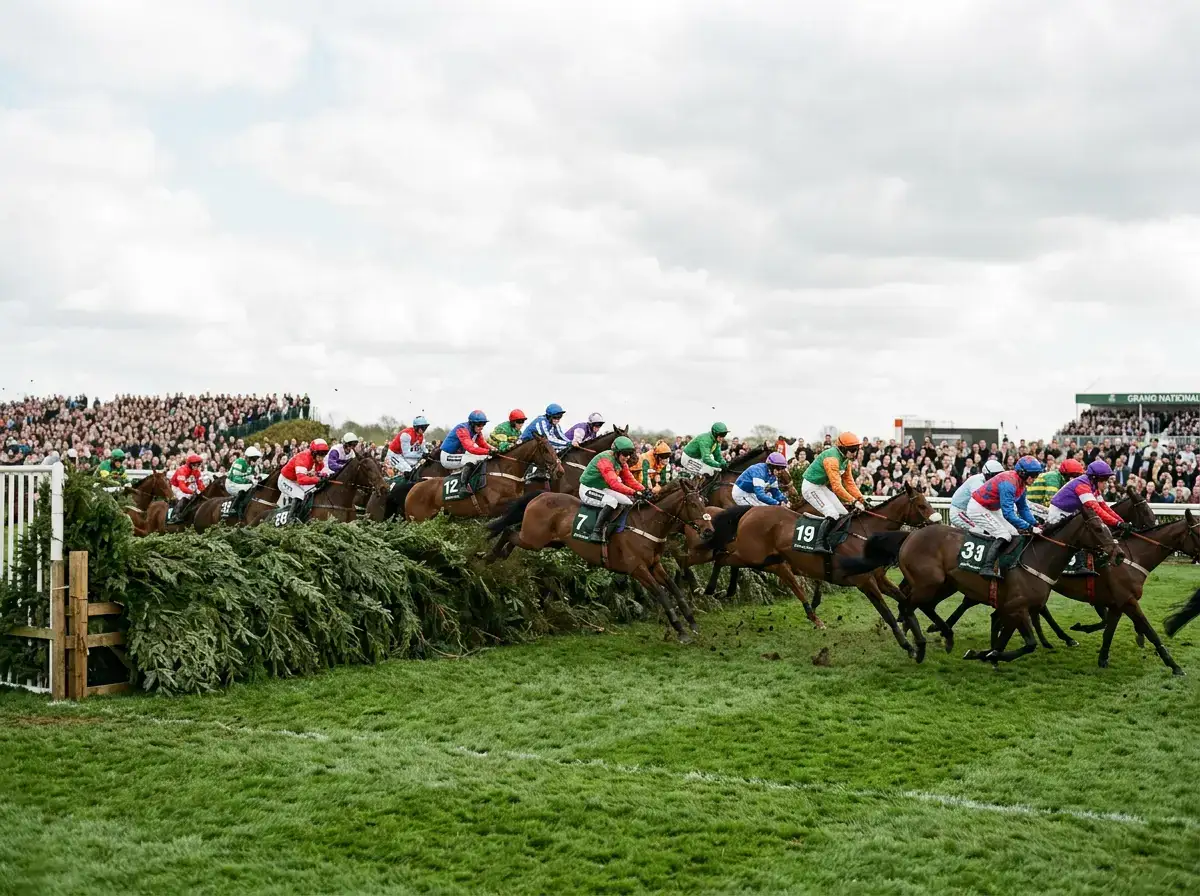
Avoiding Naive Boxing in Maximum-Field Grand Nationals
The Aintree betting hall on Grand National morning is the loudest place in British sport. Twelve million people across the UK will have a punt on the race, and a substantial share of them only bet once a year. That stampede of casual money creates strange dividend dynamics – and tempts punters into the worst kind of perm, the kind built on names rather than form.
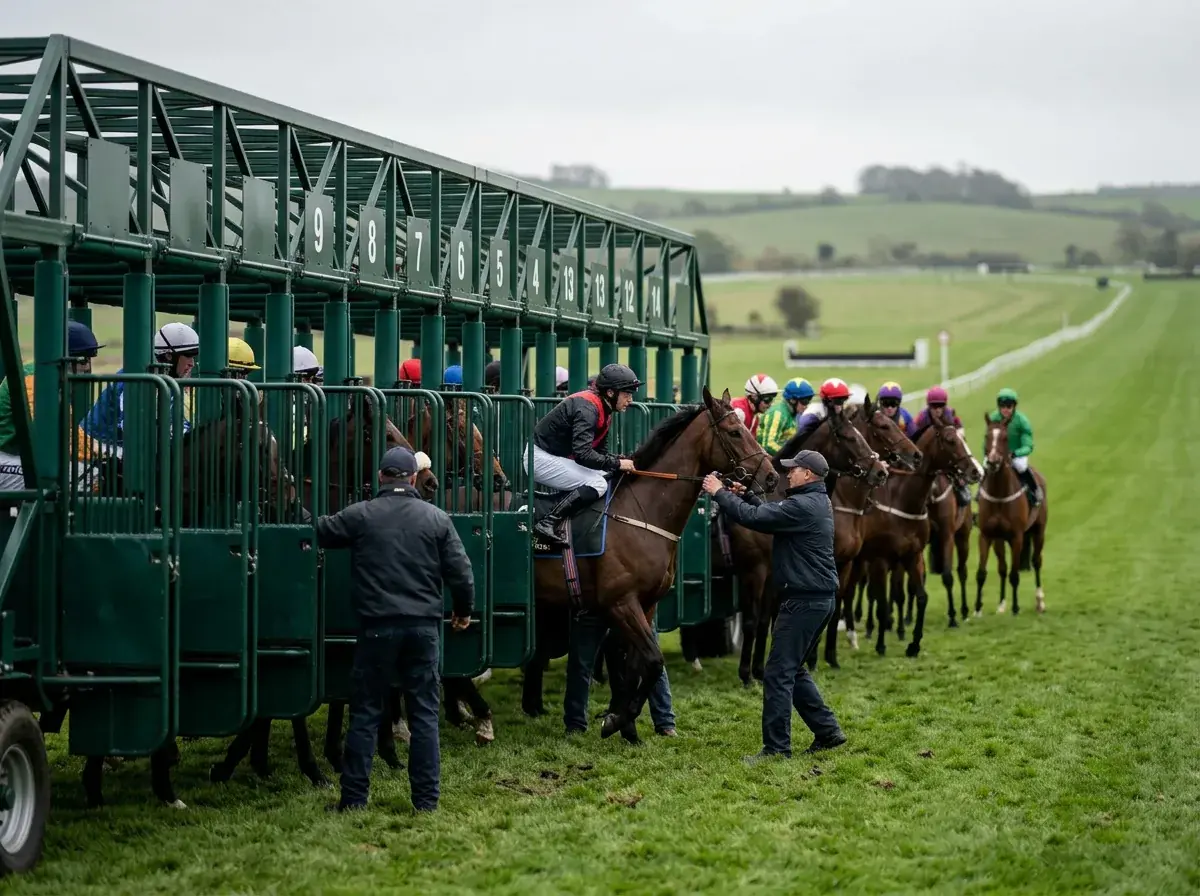
I’ve watched experienced box-bettors approach the National with more caution than any other race in the calendar. The reasons are mechanical and behavioural at once. Forty declared runners. A four-and-a-quarter mile distance. Thirty fences including The Chairs and Becher’s Brook. A field where the favourite wins less often than in almost any other major handicap. Boxing a 1-2-3-4 here without thinking about the maths is a fast way to set fire to £200.
With a 34-runner field, late withdrawals are common, making it vital to understand how Rule 4 deductions affect box bets before the race begins.
Forty declared runners and what that does to your slip
The first arithmetic shock is the field size. Forty horses go to post at the National. A £1 box trifecta on the entire field would cost 40×39×38 = £59,280. That’s not a serious suggestion – it’s a number that puts the scale of the field into perspective.
More realistic perms still climb fast. A £1 combination tricast on five horses costs £60. A £1 box trifecta on six horses produces 6×5×4 = 120 lines and costs £120. At seven selections you’re at £210. Most casual punters trying to cover the National 1-2-3 with their “feel” picks end up at six or seven horses and underestimate the slip total badly.
The cost-of-coverage problem is the heart of it. Twelve million UK adults bet on the race, and around 82% of those bets are £5 or less. The casual punter wagering £5 cannot afford a meaningful trifecta box. They end up either backing a single horse to win, or trying a £0.10-unit perm that produces line stakes too small to deliver a useful payout if it lands. The serious boxing punter has to either commit real money for genuine coverage or skip the trifecta entirely and stick to forecasts on a shorter list.
The 12-million-punter pool and where Tote dividends come from
Around 30% of National bettors are first-timers or returnees who haven’t placed a bet for a year or more. That demographic skews the Tote pool dynamics in a way that suits sharp boxing punters when results don’t go to script.
The National Tote Trifecta pool typically swells to several hundred thousand pounds – vastly larger than a routine Saturday’s pool – because casual money flows in without the same restraint experienced bettors apply. The takeout takes its slice, and the remainder is divided among winning units. In years where the result includes a long-priced horse (the National regularly produces winners and placed runners at 25/1 and above), the pool can pay tens of thousands of pounds per winning unit.
The mechanics work in the boxing punter’s favour when their shortlist covers a 1-2-3 the public didn’t expect. The mechanics work against the boxing punter when the result reflects exactly what the public backed – three short-priced horses in the frame, with hundreds of winning Trifecta units sharing the pool and the dividend per unit collapsing.
That asymmetry is the whole edge case for the disciplined box-bettor on Aintree day. You want to be on the side of the pool that benefits from public misalignment – not the side that backed the same names everyone else did.
What recent Aintree dividends actually look like
The pool dividends on Aintree’s biggest day have shifted product preference over the past few seasons. The 2025 Grand National produced a result where, for the first time in recent years, the CSF Tricast dividend exceeded the Tote Trifecta on the same finishing order. The reversal occurs roughly 20% of the time across UK racing, but it’s worth noting because the National has traditionally been a Tote-dominant race for big dividends – and the pattern is no longer reliable.
Two structural drivers explain the reversal. First, the swelling of online accounts: with 24.4 million active accounts at UK operators by the end of the last reported quarter, far more casual punters now bet fixed-odds via apps than walk into a Tote betting shop, thinning the pool. Second, the pool depends on takeout staying constant while wager volume shifts elsewhere. As pool money has migrated to fixed-odds platforms, the National Trifecta pool no longer dwarfs the CST dividend by the margins it once did.
None of that means the Trifecta is finished as a National product. On a result where the public was wrongfooted – a 33/1 winner, a 16/1 second, a 25/1 third – the Trifecta pool still pays multiples of the CST because the SP-derived formula isn’t designed for triple-longshot outcomes. The question for any boxing punter on National morning is which kind of result you’re really backing.
Get the latest odds and expert predictions from the top UK exotic betting resource.
Why a cap on selections beats a blank-page perm
The mistake I see most often on Aintree morning is the slip with no maximum. Someone writes seven horses, then eight, then nine because “this one might run a place,” and finishes with a £840 superfecta box and no idea how to pay for it.
The discipline I apply is a hard cap on selections matched to a hard cap on outlay. At £30 on the day, the trifecta box maximum is four horses (24 lines at £1, total £24). At £60, the maximum becomes five horses (60 lines). At £120, six horses. Push past six and the per-line stake starts to dilute below 50p, which makes the bet feel like a lottery rather than a structured wager.
A worked example helps. Say you’ve genuinely shortlisted four horses you think are credible to fill the trifecta places – a 7/1 fancied runner, a 12/1 staying chaser with proven Aintree form, an 18/1 outsider who handles the ground, and a 25/1 horse for the type of result that pays in a wide-open National. A £1 box trifecta on those four costs £24 and covers all 24 orderings. If the result is two of your four plus a horse you didn’t pick, the bet loses. If three of your four come home, you collect the full unit dividend on the line that matched the order.
The same race-selection logic that underpins this kind of cap is also the foundation of the strategy I use across the Cheltenham Festival, where the contested handicap chases share the National’s structural profile but with smaller fields and tighter pools.
How many lines does a £0.50 combination tricast on 6 horses in the National cost?
Six horses produce 6×5×4 = 120 lines. At a 50p line stake the total outlay is £60. That’s a useful sweet spot for punters who want broader coverage than a £1 unit on four horses without escalating into superfecta territory.
Did the 2025 Grand National favour CSF or Tote dividends?
The 2025 result was one of the rarer Aintree days where the CSF Tricast dividend exceeded the Tote Trifecta on the same finishing order. The reversal between the two products happens roughly 20% of the time across UK racing, and the migration of casual money to fixed-odds apps has narrowed the historical Tote advantage on the National.
Published by the box bet in Horse Racing team.