Tote Jackpot vs Trifecta: Comparing High-Yield UK Pools
 Available in US
Edge Variance Between Daily Jackpot and Single-Race Trifecta
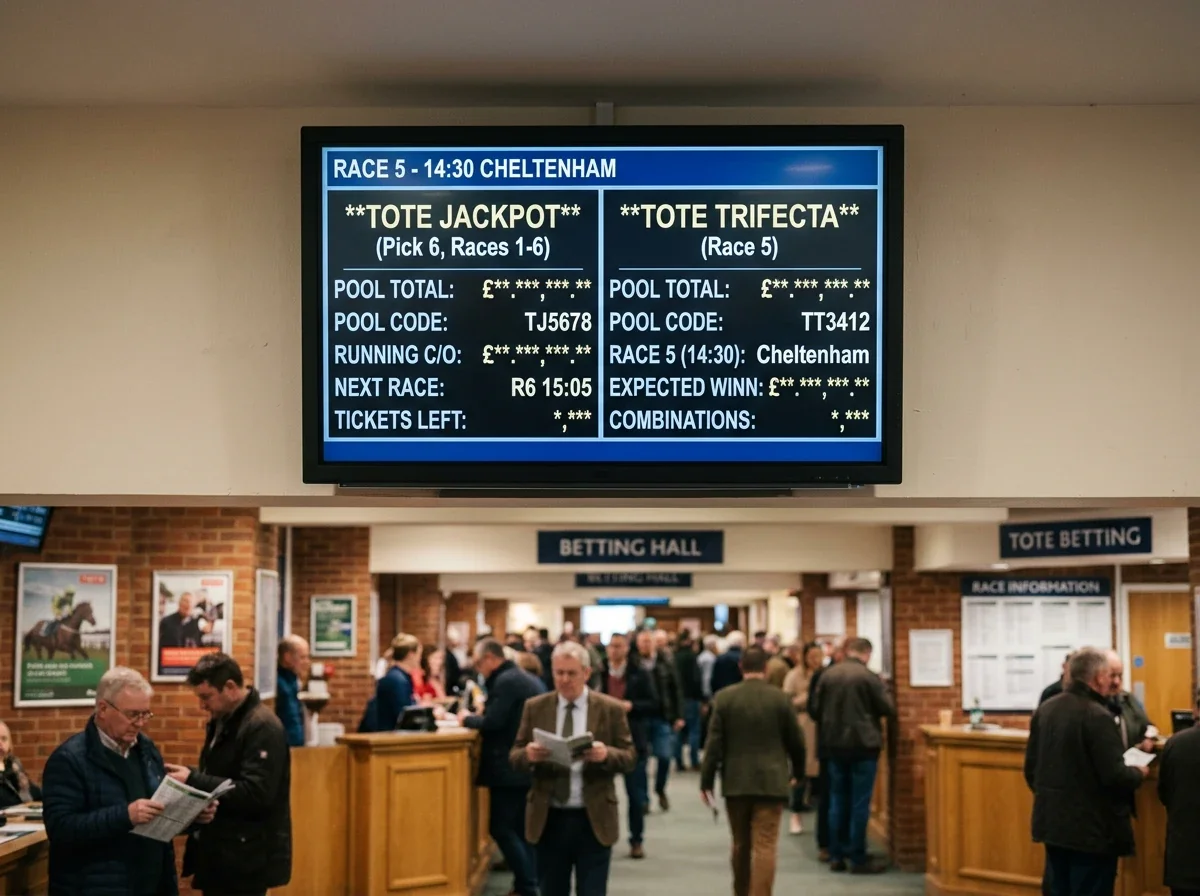
Cheltenham on New Year’s Day 2025 produced one of the more instructive afternoons of the calendar for anyone trying to read pool products. The Tote Jackpot pool came to £14,084 with no successful unit from the previous day – meaning the rollover and the day’s stakes combined into a pool that paid £4,307.90 on a £1 unit when finally won. The same day produced a Tote Trifecta in the Junior NH Flat Race that paid £10,707.50 on a £1 unit. Same meeting. Same casual money in the betting hall. Two products paying out at startlingly different per-unit dividends.
That divergence is the question this article exists to answer. The Jackpot covers six winners across a card. The Trifecta covers a 1-2-3 in a single race. Both are pool products. Both depend on field size, casual participation, and the structural relationship between pool money and winning units. But the underlying maths is so different that the punter who blurs them into “Tote products” misses the entire point.
The Jackpot – six winners, no places, the rollover engine
The Tote Jackpot requires the punter to select the winner of each of six nominated races on a chosen meeting. Place finishes don’t count. Wrong horse in any leg and the whole bet loses. The remaining pool, if no unit wins, rolls over to the next meeting. That rollover mechanic is what allows Jackpot pools to grow into five and six-figure sums on meetings following a fortnight of carry-over without a winner.
The Cheltenham New Year’s Day 2025 example illustrates the structure neatly. The £14,084 pool with 2.33 winning units produced the £4,307.90 dividend per unit. That’s a pool of moderate size – not the £100,000+ figures the Jackpot can reach after extended rollovers – but the few winning units kept the per-unit dividend in four-figure territory. The structural lesson is that Jackpot dividends depend more on the number of winning units than on the size of the pool itself. A £200,000 pool with 200 winning units pays £1,000 per unit; the same pool with 5 winning units pays £40,000.
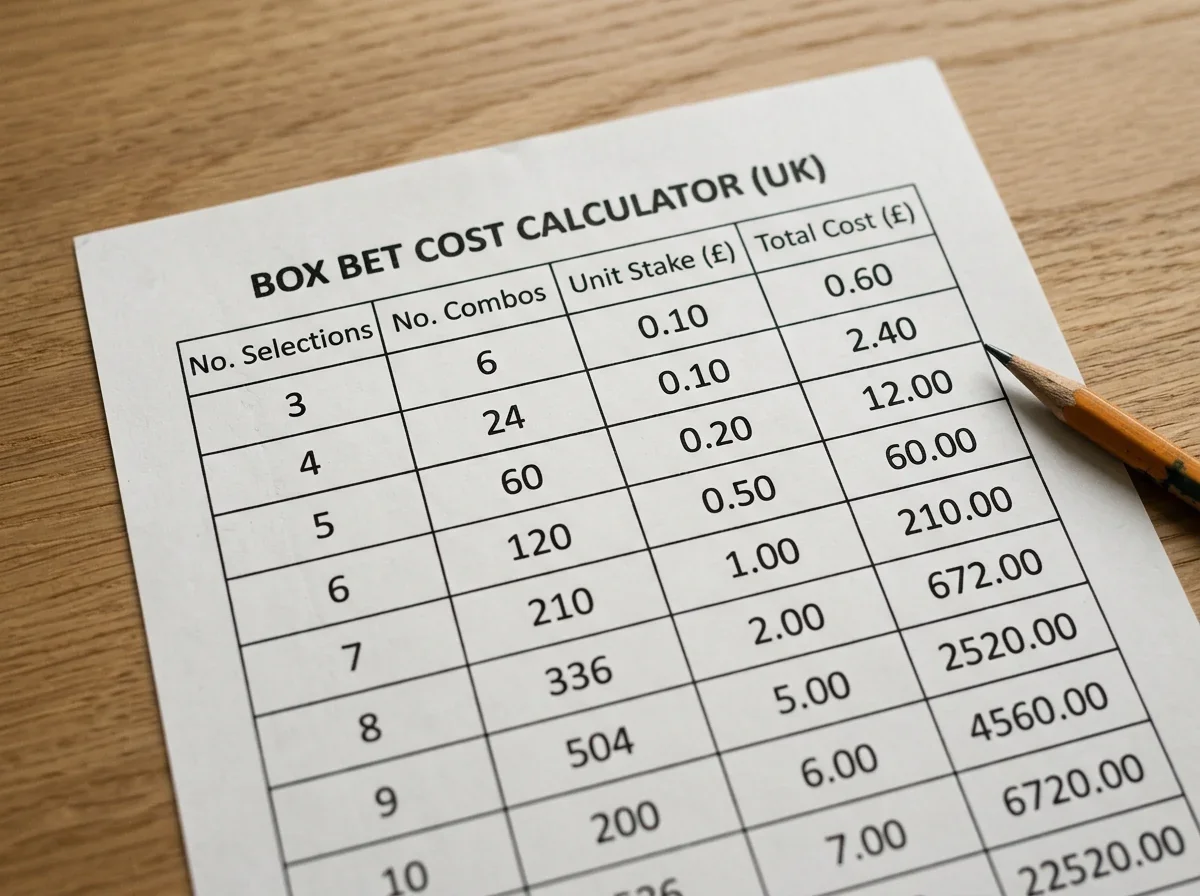
Perming the Jackpot is how serious punters tackle it. Picking one horse per race gives a single line and a low probability of cashing. Picking two horses in two of the harder legs and one each elsewhere – say a 1×1×2×1×2×1 perm – gives four lines and substantially better coverage at four times the stake. The arithmetic mirrors a six-leg accumulator but with pool dividends rather than fixed-odds returns.
The Trifecta – single race, one finish, no second chances
The Tote Trifecta is the single-race version of the same pool logic. One race. The first three home in correct order. The pool – after takeout – divides among the winning units. No place finishes count, no rollover, no carry-over. Win on the one race or the bet is settled at zero.
The Cheltenham Junior NH Flat Race example – £10,707.50 per unit on the New Year’s Day card – sat on a pool size that reflected typical festival-adjacent participation. The winning units on that race were few because the race profile produced a result the casual money didn’t back heavily. That asymmetry between pool size and winning units is the source of every meaningful Trifecta dividend across the calendar.
Where the Trifecta differs structurally from the Jackpot is the time horizon. The Trifecta is over in roughly two minutes – one race, one result, one settlement. The Jackpot demands the punter survive six consecutive race outcomes, which is structurally harder but spreads the wager’s risk across the afternoon rather than concentrating it.
The Cheltenham New Year’s Day 2025 case in context
Reading those two dividends side by side – £4,307.90 on the Jackpot, £10,707.50 on the Trifecta – would lead a casual observer to conclude the Trifecta was the better bet. The conclusion misreads the structure. The Trifecta winning unit needed to pick three specific horses in one race correctly. The Jackpot winning unit needed to pick six winners across six races. The relative difficulty of those two tasks is enormous, and the dividends reflect that.
The expected value calculation runs in different directions for the two products. The Jackpot’s value lives in the rollover days – when the pool is fattened by carry-over from previous meetings and the marginal stake is competing for a pool that’s already been built by other punters’ money. The Trifecta’s value lives in single-race situations where the punter has identified a contested handicap with a vulnerable favourite and several genuine longshots.
The Levy Board’s record £108.9m yield in 2024/25, as Anne Lambert noted in her capacity as Interim Chair, reflects an industry where “bookmakers’ increased profits are being generated from falling turnover.” That backdrop matters because pool products like the Jackpot and Trifecta depend on participation, and a softening overall turnover environment thins the pools across the board. Bigger casual-money days – Festival weeks, Bank Holiday cards, New Year’s Day – become disproportionately important for sustaining the dividends that make these products worth playing.
Where the EV genuinely sits on each
The Jackpot’s structural advantage is the rollover. On any single meeting where the pool has been built up by previous days of carry-over, the per-unit dividend on a winning unit can exceed the fair expected value of the bet by a margin that compensates for the difficulty. That’s the structural reason serious pool players target rollover days specifically – the bet is effectively subsidised by pounds put in by punters on earlier cards who didn’t cash.
The Trifecta’s structural advantage is the asymmetric pricing on contested handicaps. The SP-derived CST formula struggles to value longshot trios correctly, and the pool’s ability to pay rare outcomes scales with the rarity. The Tote+ Trifecta beats the equivalent CST in 77% of cases with an average +50% value per bet across the calendar. That’s a sustained structural edge that doesn’t depend on rollover days or unusual circumstances.
For a punter with limited time and a modest weekly budget, the Trifecta is usually the easier product to play because the work concentrates on race-reading rather than card-reading. For a punter with the patience to follow Jackpot pools, target rollover days, and perm intelligently, the Jackpot delivers occasional outsized collects that no single-race product can match.
The mix between the two – for serious punters who use both – tends to favour the Trifecta as the everyday product and the Jackpot as the occasional rollover-day target. That’s how I work the calendar myself. The full discussion of how the Jackpot’s contested-card mechanics relate to Festival-week dynamics overlaps with the Cheltenham strategy I’ve laid out separately.
Why does the Tote Jackpot sometimes roll over and the Trifecta doesn’t?
The Jackpot is a six-race accumulator requiring the winner of every nominated race; if no unit picks all six correctly, the pool rolls to the next eligible meeting. The Trifecta is a single-race product – either the 1-2-3 in correct order is matched by some winning unit on the day or the pool is settled with no winners, but the structural carry-over to a future meeting isn’t part of how the Trifecta runs.
Is a Jackpot easier to perm than a Trifecta?
In one sense yes – Jackpot perms add lines linearly across legs (one extra horse in one leg doubles the lines), whereas Trifecta perms scale faster because every additional horse multiplies through the n×(n-1)×(n-2) formula. But the Jackpot’s six-leg requirement makes the underlying probability of any one perm winning much lower than a Trifecta perm in a single contested race.
Published by the box bet in Horse Racing team.